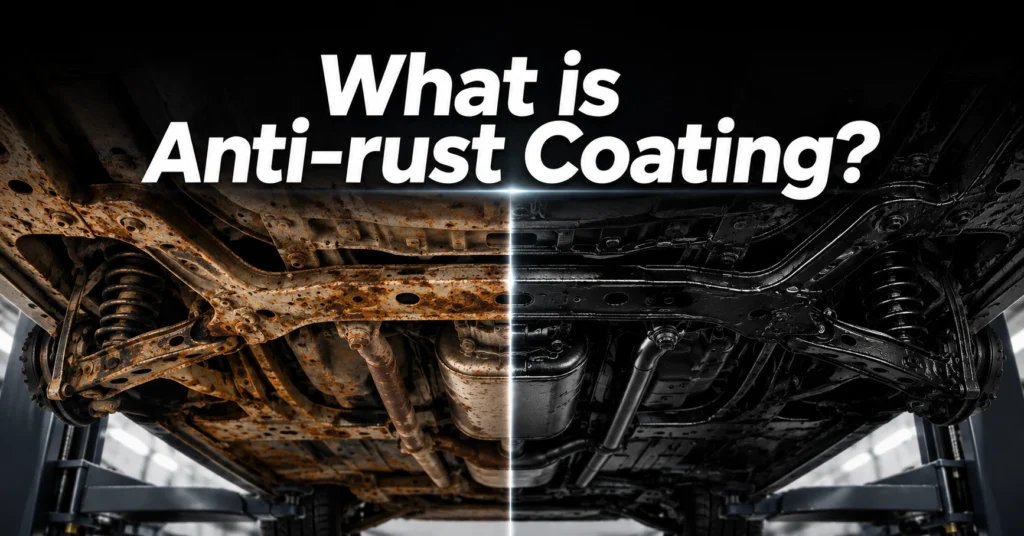
What is anti-rust coating, and does your car really need it?
Anti-rust coating is a protective layer applied to suitable metal surfaces of a vehicle to help protect them from moisture, dirt, water and other elements that can cause corrosion. Anti rusting coating for car can be particularly useful for protecting vulnerable underbody areas from every day road exposure.
Find below why it is important for your car.
What Is Anti-Rust Coating?
It is a protective layer designed to reduce direct exposure of a car’s metal surfaces to moisture and other corrosive elements. When water, oxygen and contaminants remain in contact with exposed metal over time, they can contribute to rust formation.
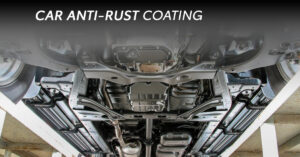
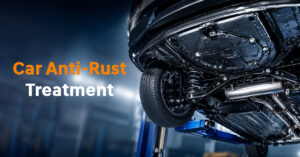
The underbody of a car faces some of the toughest road conditions. It comes into contact with water, mud, dust, road debris and pollutants but often receives less attention than the exterior. Applying an appropriate anti rusting coating for car can create an additional barrier between these elements and vulnerable metal surfaces.
Anti-rust coating is not a replacement for regular car washing or servicing. Instead, it works as an additional layer of protection that can help maintain the condition of the vehicle.
Why Is Anti-Rust Coating Important for Your Car?
Rust can gradually affect metal surfaces when they remain exposed to moisture and contaminants. Once corrosion begins, ignoring it can allow the affected area to deteriorate further.
An appropriate anti-rust coating can help reduce this risk by creating a protective barrier.
1. Protects the Car’s Underbody
The underbody remains exposed to water, mud, dust and road debris every time you drive. Since you cannot easily see these areas during everyday use, minor damage or corrosion can go unnoticed.
An anti rusting coating for car can provide an additional protective layer over suitable underbody surfaces.
2. Helps Reduce Corrosion
Moisture is one of the major contributors to rust. A suitable coating helps limit direct contact between vulnerable metal surfaces and moisture, dirt and other contaminants.
This can help reduce the conditions that encourage corrosion.
3. Protects Against Road Exposure
Regular driving exposes your car to a range of contaminants. Puddles, muddy roads, rainwater and road grime can reach the underbody.
A protective coating can help shield suitable metal surfaces from this everyday exposure.
4. Supports Long-Term Vehicle Maintenance
Preventive maintenance can help you identify and address potential problems before they become more extensive. Along with regular servicing and cleaning, an anti-rust coating can form part of a vehicle’s long-term maintenance plan.
5. Provides Additional Protection in Challenging Conditions
Cars that regularly encounter heavy rain, waterlogged roads, mud or damp conditions may face greater exposure to moisture.
In such situations, anti rusting coating for car can provide an additional layer of protection for appropriate metal surfaces.
How Does Anti-Rust Coating Work?
Anti-rust coating works by creating a protective barrier over suitable metal surfaces. This barrier helps reduce the direct exposure of the metal to moisture, dirt and other contaminants.
The effectiveness of the coating depends on several factors, including:
- Condition of the surface
- Proper cleaning and preparation
- Type and quality of coating
- Correct application
- Coverage of suitable areas
- Regular vehicle maintenance
A coating cannot eliminate every possibility of rust, but proper application can help protect vulnerable surfaces from everyday environmental exposure.
Where Is Anti-Rust Coating Applied on a Car?
The application areas depend on the vehicle and the coating being used. The underbody is one of the most common areas because it receives significant exposure to road conditions.
Depending on the vehicle, suitable areas may include:
- Underbody metal surfaces
- Chassis areas
- Wheel arches
- Metal joints and seams
- Other exposed metal sections
A professional should determine the appropriate application areas. Components such as brakes, exhaust parts, moving components and other sensitive areas should not be coated indiscriminately.
How Is Anti-Rust Coating Applied?
Correct preparation plays an important role in achieving effective coverage. Simply spraying a coating over a dirty or corroded surface may not provide the desired protection.
A professional application generally involves the following steps:
Step 1: Inspect the Vehicle
The technician checks the underbody and relevant metal surfaces for dirt, existing corrosion, scratches and damage.
Step 2: Clean the Surface
The underbody is cleaned to remove mud, dust, grease and other contaminants. A clean surface allows the coating to adhere more effectively.
Step 3: Prepare the Surface
Any existing surface issues need to be addressed before coating. If rust is already present, the affected area may require appropriate treatment rather than simply covering it.
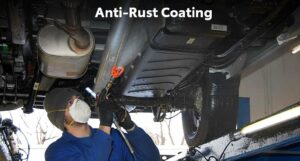
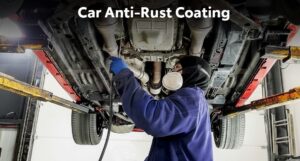
Step 4: Apply the Anti-Rust Coating
The coating is applied evenly to suitable areas while avoiding components that should remain uncoated.
Step 5: Allow the Coating to Dry
The coating requires adequate drying or curing time before the vehicle returns to normal use. The exact time depends on the product used.
Step 6: Inspect the Finished Coating
The technician checks the application to ensure the relevant areas have received appropriate coverage.
Is Anti-Rust Coating Necessary for Every Car?
Not necessarily.
Modern cars already receive corrosion protection during manufacturing. Whether your vehicle needs additional protection depends on its age, condition, usage and driving environment.
You may consider an anti rusting coating for car if:
- You frequently drive during heavy rain.
- Your car regularly encounters waterlogged roads.
- You often drive through muddy or dusty areas.
- The underbody has visible scratches or exposed metal.
- You notice early signs of rust or corrosion.
- You regularly park your vehicle in damp conditions.
- You want additional protection for the vehicle’s underbody.
Before applying a coating, inspect the vehicle and choose a product suitable for its surfaces.
Why Should Delhi Car Owners Consider Anti-Rust Coating?
Delhi’s changing weather and road conditions can expose vehicles to moisture, mud and road contaminants. During the monsoon, waterlogged roads can bring water and dirt into contact with the underbody.
Repeated exposure can make regular underbody cleaning and inspection particularly important.
An anti rusting coating for car can provide an additional protective barrier for suitable surfaces. However, it should always complement regular cleaning and maintenance.
What Are the Signs of Rust on a Car?
Recognising rust early can help you address the problem before it becomes more extensive.
Common signs include:
- Reddish-brown patches on metal
- Bubbling or blistering paint
- Flaking surfaces
- Small pits in metal
- Discolouration around joints
- Visible corrosion underneath the vehicle
- Peeling protective layers
If any of these signs exist, get the affected area inspected before applying a new coating.
Do not simply cover significant existing rust with anti-rust coating. The underlying corrosion should be properly addressed first.
Benefits of Professional Anti-Rust Coating
Applying an anti-rust coating requires more than simply putting a product on the vehicle. Proper preparation and application can significantly affect the result.
Better Surface Preparation
Professional technicians can clean and prepare the surface before application, helping the coating adhere properly.
More Consistent Coverage
A trained technician can identify suitable areas and apply the coating more evenly.
Early Identification of Corrosion
An inspection can reveal rust, scratches or exposed metal that may require attention before coating.
Safer Application
Not every component should receive anti-rust coating. Professional application helps avoid unsuitable areas such as brakes and other sensitive components.
Better Long-Term Protection
Proper preparation, suitable products and correct application can help the coating provide more effective protection over time.
Can Anti-Rust Coating Prevent Rust Completely?
No.
Anti-rust coating helps protect metal surfaces, but it cannot guarantee that rust will never occur.
Damage to the coating, scratches, trapped moisture, existing corrosion and prolonged exposure to harsh conditions can still contribute to rust.
That is why you should combine anti-rust coating with:
- Regular underbody cleaning
- Periodic vehicle inspections
- Prompt repair of scratches and exposed metal
- Proper servicing
- Attention to early signs of corrosion
How to Maintain Your Car After Anti-Rust Coating?
Regular maintenance is important after applying the anti-rust coating.
Keep the Underbody Clean
Wash away mud, dirt and road grime, especially after driving through waterlogged or muddy roads.
Check the Coating Regularly
Look for cracks, peeling or areas where the coating may have been damaged.
Address Damage Quickly
Scratches or exposed metal should not be ignored. Early attention can help prevent further deterioration.
Inspect After Monsoon
A post-monsoon inspection can help identify moisture-related issues, particularly if you frequently drive through waterlogged areas.
Follow Product Recommendations
Different coatings have different maintenance requirements. Follow the recommendations provided by the manufacturer or service professional.
Is Anti-Rust Coating Worth It?
Whether anti-rust coating service is worth it depends on your vehicle and driving conditions.
If your car frequently encounters rain, waterlogging, mud or other harsh road conditions, additional protection can be a practical preventive measure. It can help reduce exposure of suitable metal surfaces to moisture and contaminants.
However, the quality of the application matters. Proper cleaning, surface preparation, suitable coating and correct application are essential for achieving the intended result.
Instead of choosing a coating based only on price, consider the coverage, preparation process, product quality and application method.
Anti-rust coating is a protective layer that helps shield suitable metal surfaces from moisture, dirt and contaminants that can contribute to rust and corrosion.
For vehicles regularly exposed to rain, waterlogged roads, mud and road grime, an anti rusting coating for car can provide an additional layer of protection, particularly around vulnerable underbody areas.
Get professional car services and repairs at Auto Car Repair in Delhi NCR.
Frequently Asked Questions
1. What is anti-rust coating for cars?
Anti-rust coating is a protective layer applied to suitable metal surfaces to reduce their exposure to moisture, dirt and other elements that can contribute to rust and corrosion. It is commonly applied to appropriate underbody areas.
2. Is anti-rust coating necessary for a car?
It is not necessary for every car because modern vehicles already receive factory corrosion protection. However, additional coating can be useful depending on the vehicle’s age, condition and exposure to moisture, rain and challenging road conditions.
3. How does anti-rust coating protect a car?
It creates a barrier between suitable metal surfaces and environmental elements such as moisture, dirt and road contaminants. This can help reduce the conditions that contribute to corrosion.
4. Can anti-rust coating stop rust permanently?
No. Anti-rust coating can help reduce corrosion risks but cannot guarantee permanent protection. Regular cleaning, inspection and maintenance remain essential.
5. How often should I apply anti-rust coating to my car?
The appropriate frequency depends on the type of coating, vehicle condition, driving environment and manufacturer recommendations. A professional inspection can help determine when additional protection is required.
Keep Your Car Protected with Auto Car Repair
Protect your car from rust, moisture and everyday road exposure with professional anti-rust coating for cars at Auto Car Repair. Get your car inspected by experienced technicians and choose the right protection for your vehicle’s underbody.
| Showroom Location | Address | Call/Whatsapp Number | Nearby Locations |
| Moti Nagar | 57, Rama Rd, Block C, Najafgarh Road Industrial Area, New Delhi, Delhi, 110015 | 098704 00861 | Ramesh Nagar, Punjabi Bagh, Rajouri Garden, Mayapuri, Kirti Nagar, Janakpuri, Sudarshan Park, Chand Nagar, ESI, |
| Gurugram | Unit-1 Plot No 29 & 30, near, Kargil Shaheed Sukhbir Singh Yadav Marg, Info Technology Park, Sector 34, Gurugram, Haryana 122004 | 098104 46692 | Sec 37 Gurugram, Sec 37B Gurugram, Sec 72A Gurugram, Sec 74 Gurugram, Sec 35 Gurugram, Sec 36 Gurugram, |
| Noida | H-142, near Ananda Corporate Office, H Block, Sector 63, Noida, Uttar Pradesh 201309 | 097739 94175 | Noida 63, Noida 62, Noida 65, Noida 66, Gaur City 2, Indirapuram, |
| Okhla | ACR Automobiles Plot No. 1 – 8, DSIDC Sheds, Okhla Phase 2, New Delhi, 110020 | 092892 00643 | Okhla Phase 2, Sarita Vihar, Jasola Vihar, Govindpuri, Okhla Nsic, Nehru Palace, |