Have you noticed a dent, scratch, or patch of damaged paint on your car after a minor accident or an unexpected scrape in a parking lot?
Even small imperfections can affect your vehicle’s appearance and, if left untreated, may expose the underlying metal to moisture and corrosion. Professional car denting painting can help restore damaged body panels, improve the vehicle’s finish, and protect its exterior when technicians carry out the right repairs.
Car body panels can suffer damage from minor collisions, falling objects, road debris, tight parking spaces, and everyday wear and tear. Depending on the severity of the damage, technicians may need to remove dents, repair scratches, prepare the surface, and repaint the affected area.
What Is Car Denting Painting?
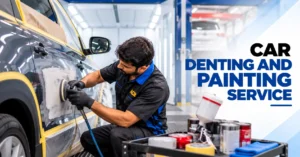
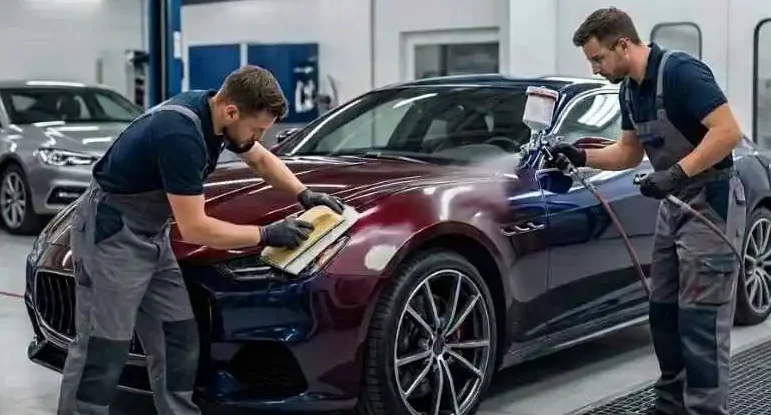
Car denting painting is an automotive body repair process that addresses dents, surface damage, and damaged paintwork. It combines panel repair with paint application to restore the vehicle’s exterior as closely as possible to its original appearance.
The denting process focuses on correcting deformations in metal or other repairable body-panel materials. Painting restores the colour and finish after technicians prepare the repaired surface.
Depending on the damage, the service may include:
- Removing dents caused by minor impacts.
- Repairing scratches and surface imperfections.
- Straightening or reshaping damaged body panels.
- Applying suitable body filler where necessary.
- Sanding and preparing the repaired surface.
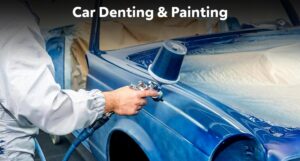
- Applying primer, colour-matched paint, and clear coat.
- Polishing and inspecting the finished panel.
Not every dent requires repainting. Technicians may repair some minor dents using paintless dent repair if the paint remains intact and the panel is suitable for the technique. However, dents accompanied by cracked, chipped, or scratched paint generally require additional surface preparation and refinishing.
How Does Car Denting Painting Restore Damaged Body Panels?
Professional car denting painting involves several steps, and technicians adjust the process according to the type and severity of the damage.
Step 1: Inspecting the Damaged Panel
Technicians first examine the affected area to understand the extent of the damage. A dent that appears minor from the outside may have sharper creases, damaged paint, or deformation around the panel edges.
During the inspection, they assess:
- The depth and size of the dent.
- Scratches, chips, and cracks in the paint.
- The condition of the underlying metal or panel material.
- Possible damage near panel edges, joints, or mounting points.
- Whether the panel can be repaired or needs replacement.
This assessment helps determine the appropriate repair method, expected turnaround time, and estimated cost.
Step 2: Removing or Reshaping the Dent
Once technicians identify the damage, they work to restore the panel’s original contours. Depending on the location and severity of the dent, they may use specialised pulling tools, panel-beating equipment, or other body repair techniques.
For example, a shallow dent on a door may require a different approach from a deep crease on a fender or a damaged section of a bumper.
Technicians aim to restore the panel’s shape without creating additional distortions. If the damage is too severe or affects the panel’s structural integrity, they may recommend replacement instead of repair.
Step 3: Preparing the Surface
After reshaping the panel, technicians prepare the surface for painting. They remove loose paint, smooth irregularities, and clean the area to help the new coating adhere properly.
Where necessary, they apply automotive body filler to correct minor surface imperfections. They then sand the repaired area until it forms a smooth, even surface.
Proper preparation is essential because paint can highlight imperfections rather than hide them. Uneven sanding, contamination, or poor surface preparation may result in visible marks, roughness, or an inconsistent finish.
Step 4: Applying Primer
Technicians apply a suitable primer to the prepared surface when the repair process requires it. Primer helps create an appropriate base for the paint and supports adhesion.
It can also help protect exposed metal when the correct automotive primer and application process are used.
The technician selects the preparation materials according to the panel, paint system, and repair requirements. They then allow the coating to dry or cure as specified before proceeding.
Step 5: Matching and Applying the Paint
Paint matching plays an important role in achieving a consistent finish. Technicians identify the vehicle’s paint colour and account for factors such as the existing paint’s condition, fading, and finish type.
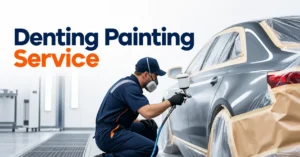
They apply the selected automotive paint using the appropriate equipment and process. Depending on the vehicle and repair, the work may involve blending the colour into adjacent areas to reduce visible differences between the repaired panel and the original finish.
A clear coat is applied where required to provide the intended gloss and an additional protective layer.
Professional application helps minimise common paint defects, including uneven coverage, visible colour differences, runs, and an inconsistent surface.
Step 6: Drying, Finishing, and Quality Inspection
After painting, technicians allow the coatings to dry or cure according to the paint system’s requirements. They may then carry out finishing work, such as polishing, where appropriate.
Finally, they inspect the repaired panel for colour consistency, surface smoothness, gloss, and visible imperfections.
A thorough inspection helps ensure that the repair meets the intended finish standards before the vehicle returns to the customer.
What Types of Body Panel Damage Can Denting Painting Fix?
The right repair method depends on the affected panel, the depth of the damage, and the condition of the paint.
Minor Dents and Dings
Small dents often occur when another vehicle’s door strikes your car, a trolley hits the bodywork, or an object makes contact with the panel.
Paintless dent repair may be suitable if the paint remains intact. However, if the impact damages the paint or creates a sharp crease, conventional dent repair and repainting may provide a better solution.
Scratches and Paint Damage
Scratches can range from light marks in the clear coat to deeper damage that exposes the primer or bare metal.
Technicians assess the depth of the scratch before deciding whether polishing, localised paint repair, or full-panel repainting is necessary.
Prompt repair of scratches that expose metal can help reduce the risk of corrosion.
Bumper Dents and Scuffs
Bumpers frequently sustain damage during parking and low-speed impacts. Depending on the material and damage, technicians may repair minor deformations, address surface scuffs, and repaint the affected area.
However, cracks, broken mounting points, or damage to underlying components may require additional repairs or bumper replacement.
Fender and Door Panel Damage
Fenders and doors can develop dents, creases, and scratches following minor collisions. Technicians may reshape repairable panels and refinish them to restore their appearance.
If a door or fender has severe deformation, damaged edges, or compromised mounting points, replacement may be the more appropriate option.
Bonnet and Boot Panel Damage
Falling objects, minor collisions, and accidental impacts can damage the bonnet or boot lid. Repairing these panels may involve reshaping the metal, preparing the surface, and repainting the affected area.
Technicians should also check nearby components, panel alignment, and opening mechanisms if the impact was significant.
How Does Car Denting Painting Protect Your Vehicle?
Car denting painting service does more than improve the way your vehicle looks. When technicians repair the damage correctly and apply the appropriate coatings, the process can also help protect the bodywork.
Helps Reduce the Risk of Rust
Modern automotive paint systems provide a protective barrier over the underlying panel. When a scratch or dent exposes bare metal, moisture and environmental contaminants can contribute to corrosion.
Repairing the damage and restoring the appropriate protective coating helps reduce this risk. However, the result depends on proper preparation, suitable materials, and correct application.
Restores the Exterior Finish
Dents, scratches, and uneven paint can make a vehicle look worn or poorly maintained. Professional repairs can improve the panel’s contours and create a more consistent finish.
Colour matching and blending, where necessary, help the repaired area look more natural alongside the surrounding paintwork.
Helps Maintain Vehicle Appearance
A well-maintained exterior contributes to the overall presentation of your car. Repairing visible body damage can be especially useful if you plan to keep your vehicle for several years or intend to sell it in the future.
Although cosmetic repairs do not guarantee a higher resale price, the condition of the exterior can influence a buyer’s perception of how well the vehicle has been maintained.
Addresses Damage Before It Gets Worse
A small dent may remain a cosmetic issue, but chipped paint or exposed metal can lead to further deterioration. Having the panel inspected early allows technicians to identify the appropriate repair before additional damage develops.
Not every dent requires immediate repainting, but you should not ignore damage that exposes metal, creates sharp edges, or affects the way a panel opens and closes.
What Factors Affect Car Denting Painting Price?
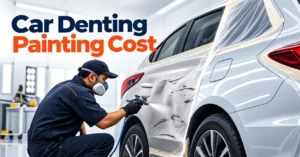
The cost of car denting painting varies according to the repair required. Understanding the main cost factors can help you evaluate estimates and choose a suitable service.
Size and Depth of the Dent
Small or shallow dents usually require less work than deep dents with sharp creases. Larger areas may need more reshaping, surface preparation, and finishing.
Type of Panel
The location of the damage influences the repair process. A door, fender, bonnet, bumper, and boot lid may require different techniques and levels of labour.
Extent of Paint Damage
A panel with minor scratches may need only limited refinishing, while one with extensive paint damage may require more sanding, primer, paint, and clear coat.
Paint Type and Colour Matching
Some colours and finishes require additional care to achieve a consistent appearance. Metallic and pearlescent paints, for example, may require more precise application and blending than certain solid colours.
Repair or Replacement
Technicians may recommend repairing a panel when the damage is manageable. If the panel is severely deformed, cracked, or otherwise unsuitable for repair, replacement may be necessary and can significantly affect the total cost.
Labour, Materials, and Workshop Standards
The estimate may also reflect the materials used, equipment, technician expertise, and finishing process. A detailed estimate should explain the work included rather than simply quote a single amount without describing the repair.
Car denting painting helps restore damaged body panels by correcting dents, preparing the surface, and applying the appropriate paint system. When technicians follow the correct repair process, they can improve the vehicle’s appearance, create a more consistent finish, and help protect exposed metal from corrosion.
The best approach depends on the type of damage. Minor dents with intact paint may qualify for paintless dent repair, while deeper dents and damaged paint generally require more extensive work. A professional inspection helps you understand the available options, expected cost, and likely results.
If your vehicle has developed dents, scratches, or paint damage, arranging an assessment at Auto Car Repair can help you choose the right repair before the problem becomes more extensive.
Frequently Asked Questions
1. What is car denting painting?
Car denting painting is a vehicle body repair service that corrects dents and surface damage before restoring the affected area with suitable automotive paint. The process may include panel reshaping, sanding, priming, colour matching, painting, and finishing.
2. Can car denting painting remove all dents?
Not every dent can be repaired economically or safely. Technicians can often repair minor and moderate dents, but severe deformation, cracked panels, or damage affecting structural integrity may require panel replacement.
3. How long does car denting painting take?
The time required depends on the size of the dent, the panel involved, the extent of paint damage, and the curing requirements of the paint system. Minor repairs may take less time, while extensive bodywork can require several days.
4. What is the difference between dent repair and denting painting?
Dent repair focuses on correcting the shape of a damaged panel. Denting painting combines panel repair with surface preparation and repainting when the original paint has been damaged or the repair requires refinishing.
5. Does car denting painting prevent rust?
Properly repairing paint damage and restoring the correct protective coating can help reduce the risk of rust on exposed metal. However, the result depends on adequate preparation, suitable materials, and correct application.
Get Professional Car Denting Painting at Auto Car Repair Center
Looking to restore your car’s exterior after a dent, scratch, or minor collision?
Auto Car Repair can help assess the damage and recommend suitable denting, painting, and bumper repair solutions based on your vehicle’s condition.
Contact the team to discuss your repair requirements, understand the estimated cost, and find out which service is right for your car.
| Showroom Location | Address | Call/Whatsapp Number | Nearby Locations |
| Moti Nagar | 57, Rama Rd, Block C, Najafgarh Road Industrial Area, New Delhi, Delhi, 110015 | 098704 00861 | Ramesh Nagar, Punjabi Bagh, Rajouri Garden, Mayapuri, Kirti Nagar, Janakpuri, Sudarshan Park, Chand Nagar, ESI, |
| Gurugram | Unit-1 Plot No 29 & 30, near, Kargil Shaheed Sukhbir Singh Yadav Marg, Info Technology Park, Sector 34, Gurugram, Haryana 122004 | 098104 46692 | Sec 37 Gurugram, Sec 37B Gurugram, Sec 72A Gurugram, Sec 74 Gurugram, Sec 35 Gurugram, Sec 36 Gurugram, |
| Noida | H-142, near Ananda Corporate Office, H Block, Sector 63, Noida, Uttar Pradesh 201309 | 097739 94175 | Noida 63, Noida 62, Noida 65, Noida 66, Gaur City 2, Indirapuram, |
| Okhla | ACR Automobiles Plot No. 1 – 8, DSIDC Sheds, Okhla Phase 2, New Delhi, 110020 | 092892 00643 | Okhla Phase 2, Sarita Vihar, Jasola Vihar, Govindpuri, Okhla Nsic, Nehru Palace, |