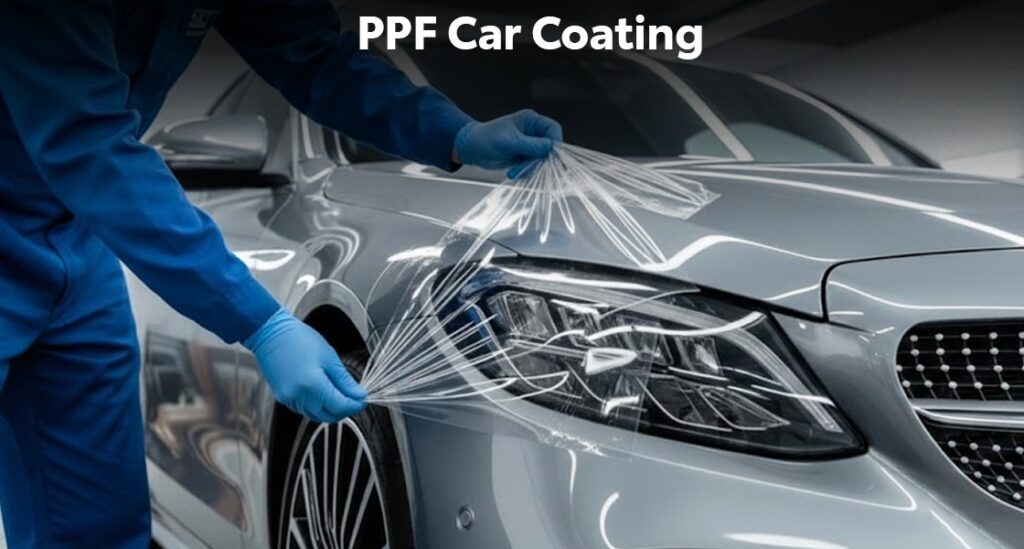
A car’s paint starts facing external exposure from the moment the vehicle hits the road. Loose stones, road debris, dust, minor scratches, bird droppings, tree sap and regular highway driving can gradually affect the exterior finish.
Car PPF Coating provides a transparent protective layer over painted surfaces for car owners who want to preserve the original paint for longer.
However, installing PPF is a long-term decision, so it is natural to ask how long the protection can actually last. There is no single lifespan that applies to every vehicle. The durability of paint protection film depends on the quality of the film, installation, driving conditions, environmental exposure and maintenance.
Find below these factors can help you choose the right PPF and maintain it properly over the years.
What Is Car PPF Coating and How Does It Protect Paint?
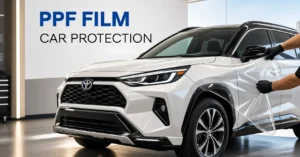
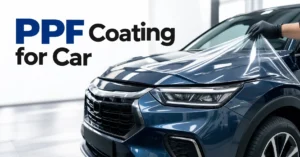
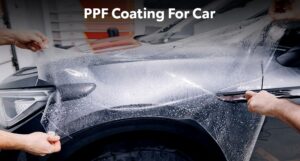
Paint Protection Film, commonly called PPF, is a transparent film installed over a vehicle’s painted exterior panels. It creates a physical barrier between the original paint and external elements the car encounters during everyday driving.
PPF can help reduce the effect of:
- Minor scratches and abrasions
- Stone chips and loose road debris
- Insect splatter
- Bird droppings
- Tree sap
- Road grime
- Environmental contaminants
- Light surface marks
Modern PPF products may also include a self-healing top layer. Heat can help reduce the appearance of certain light marks on the film, although deep cuts and severe scratches cannot simply heal themselves.
The film does not make a car damage-proof. Instead, it provides an additional protective layer so many everyday impacts affect the PPF before reaching the original paint.
How Long Does Car PPF Coating Usually Last?
Quality Car PPF Coating is designed to provide protection for several years when professionals install it correctly and the owner maintains it appropriately.
The exact lifespan varies between PPF products. Different manufacturers use different materials, top-coat technologies and warranty periods. Therefore, car owners should check the specifications and warranty of the particular film they are considering instead of assuming that every PPF provides the same service life.
The way you use your vehicle also matters.
A car that remains in covered parking for most of the day may experience less environmental exposure than one parked outdoors for several hours. Similarly, a vehicle frequently travelling on highways may face more stone chips, insects and road debris than a car primarily used for short urban journeys.
This means PPF lifespan depends on a combination of film quality, installation, usage and maintenance.
What Factors Determine How Long PPF Lasts?
Several factors directly influence how well the film maintains its appearance and protective qualities over time.
1. Quality of the PPF Film
The film itself is the starting point.
Quality car PPF coating should offer good transparency, flexibility and resistance to normal environmental exposure. Many modern premium films also feature specialised top coats designed to improve stain resistance and surface performance.
Lower-quality films may show signs of ageing sooner. Changes in clarity, staining, surface deterioration or edge problems can affect the overall appearance.
When comparing PPF options, do not judge them only by the initial installation cost. Compare the film specifications, manufacturer warranty and recommended maintenance as well.
2. Paint Preparation Before Installation
Car PPF coating performs best when technicians install it over a properly prepared surface.
Before applying the film, the detailing team should clean the exterior thoroughly and remove dirt, grease and contaminants. The team should also inspect the existing paint condition.
If the paint already has swirl marks, scratches or other imperfections, the installer may recommend appropriate surface preparation before applying the film.
Installing PPF over a properly prepared surface improves the overall finish and gives the film the right foundation for long-term use.
3. Quality of Installation
Even a premium film requires skilled installation.
A car has numerous curves, edges, contours and complex panels. Technicians must position and apply the film carefully across these areas.
Professional installation helps achieve proper alignment, clean edges and consistent coverage. Poor application can contribute to issues such as contamination beneath the film, visible imperfections or premature edge lifting.
This is why choosing the right installer matters just as much as choosing the film.
4. Exposure to Sunlight and Heat
Vehicles regularly parked outdoors experience prolonged exposure to sunlight and heat.
Delhi NCR summers can be particularly demanding on exterior surfaces. While quality car PPF coating is designed to withstand normal outdoor use, continuous exposure can influence how exterior materials age over time.
Covered parking can help reduce unnecessary environmental exposure. When covered parking is unavailable, proper cleaning and maintenance become even more important.
5. Everyday Driving Conditions
Where and how frequently you drive also affects the film.
Regular highway driving can expose the front of the vehicle to loose stones, road debris and insect splatter. City driving may expose the vehicle to dust, pollution, narrow parking spaces and minor surface contact.
Car PPF coating acts as the first protective layer against many of these everyday risks.
However, severe impacts, accidents or deep scratches can damage both the film and potentially the underlying paint. PPF should therefore be viewed as paint protection rather than complete protection against every type of physical damage.
How Do Delhi NCR Conditions Affect Car PPF Coating?
Delhi NCR vehicles face a combination of environmental and road-related challenges throughout the year.
Dust and pollution can settle quickly on the vehicle. Summers bring intense heat, while monsoon conditions introduce rainwater, moisture, mud and road contaminants. Cars parked beneath trees may also encounter bird droppings and tree sap.
Frequent highway travel between Delhi, Gurugram, Noida and surrounding areas can expose the front bumper, bonnet, fenders and ORVMs to road debris at higher speeds.
These conditions make regular PPF maintenance particularly important.
Owners should avoid allowing heavy dirt, bird droppings, tree sap or other contaminants to remain on the film unnecessarily. Regular cleaning helps maintain the surface and makes it easier to identify any damaged areas early.
How Can You Make Car PPF Coating Last Longer?
Installation is only the first part of maintaining car PPF coating. The way you care for the vehicle afterwards can influence the film’s long-term condition.
Wash the Car Regularly
Regular washing prevents excessive dirt and road grime from accumulating on the surface.
Use suitable automotive cleaning products and soft washing materials. Aggressive scrubbing or abrasive products can unnecessarily affect the film’s surface.
Remove Contaminants Promptly
Bird droppings, insect residue, tree sap and other contaminants should not remain on the film for extended periods.
Clean them carefully using products and methods recommended for the installed PPF.
Use Pressure Washers Carefully
Pressure washing can help clean a vehicle, but avoid directing a powerful jet too close to exposed PPF edges.
Excessive pressure around an edge can contribute to lifting.
Avoid Abrasive Cleaning
Do not use harsh compounds, aggressive brushes or unsuitable polishing products on PPF without checking whether the film manufacturer recommends them.
The cleaning process should preserve the protective top layer rather than unnecessarily abrade it.
Follow Manufacturer Aftercare
Different PPF products can have different maintenance requirements.
Follow the manufacturer’s recommended washing, maintenance and aftercare instructions. Your installer should also explain how to care for the film after installation.
How Does Self-Healing PPF Help Maintain the Finish?
Some modern PPF products feature self-healing technology in the upper layer of the film.
During everyday use and washing, very light surface marks may occasionally appear on the PPF. With compatible self-healing films, heat can help the top layer recover from some of these minor marks and maintain a smoother appearance.
However, it is important to understand the limitations.
Self-healing technology cannot repair:
- Deep scratches
- Cuts through the film
- Punctures
- Severe abrasions
- Accident damage
If a particular area experiences significant damage, a professional should inspect the film.
What Are the Signs That PPF May Need Replacement?
PPF does not need to be replaced simply because it reaches a particular age. Its condition should guide the decision.
Some signs that the film may require professional attention include:
- Persistent lifting around the edges
- Cracks or visible deterioration
- Significant staining
- Loss of clarity
- Deep cuts or scratches
- Impact damage
- Film separation from the surface
Not every mark requires complete replacement.
If the damage affects only one panel, technicians may be able to remove and replace the car PPF coating on that particular section while leaving the remaining film untouched.
For example, damage to a bumper does not automatically mean the bonnet, doors and other protected panels need new PPF.
Should You Install PPF on a New Car?
Installing Car PPF Coating while the original paint is still in good condition can be a practical approach for owners who want long-term exterior protection.
A new vehicle begins facing road debris, minor abrasions and environmental contaminants as soon as regular driving begins. Applying PPF early allows the film to start protecting the original paint before these marks accumulate.
Old or used vehicles can also install car PPF coating.
In this case, technicians should first inspect the paint. If the surface has swirl marks, scratches or other imperfections, appropriate paint preparation may be recommended before installation.
Therefore, the important factor is not simply whether the car is new or used. The condition and preparation of the paint before installation matter significantly.
Is Car PPF Coating Worth It for Long-Term Paint Protection?
PPF can be particularly relevant for owners who:
- Have purchased a new car
- Drive frequently on highways
- Park regularly in busy areas
- Want to maintain the original paint
- Own a premium vehicle
- Plan to keep the vehicle for several years
- Want additional protection against everyday exterior damage
The film will not prevent every scratch or impact, but it provides a sacrificial protective layer between many external risks and the original paint.
Its long-term performance ultimately depends on choosing a quality product, preparing the paint correctly, ensuring professional installation and maintaining the film appropriately.
Car PPF Coating can protect your vehicle’s paint for several years, but its actual lifespan depends on much more than the number printed on a warranty card. Film quality, professional installation, surface preparation, sunlight exposure, driving conditions and regular maintenance all influence long-term performance.
For car owners in Delhi NCR, where vehicles regularly face dust, heat, pollution, road debris and changing weather conditions, proper PPF care becomes especially important.
Looking for a quality car PPF coating near me?
Visit Auto Car Repair in Delhi NCR for expert car detailing and repairs.
FAQs
1. How long does Car PPF Coating usually last?
Quality PPF can provide protection for several years when installed and maintained correctly. The exact lifespan depends on the film, manufacturer specifications, environmental exposure, driving conditions and maintenance. Check the warranty and recommended service life of the particular PPF before installation.
2. Does Car PPF Coating protect against scratches?
PPF can help protect the original paint against light scratches, minor abrasions and stone-chip damage. Some films also offer self-healing properties for light surface marks. However, deep scratches, severe impacts and sharp objects can damage the film and potentially reach the paint underneath.
3. Does PPF require regular maintenance?
Yes. Regular washing, prompt removal of contaminants and appropriate cleaning methods can help maintain the film. Avoid harsh chemicals, abrasive cleaning and excessive pressure around film edges. Always follow the maintenance instructions provided for the particular PPF product.
4. Can damaged PPF be replaced on only one panel?
In many cases, yes. Because installers generally apply PPF panel by panel, they may be able to remove and replace the film on a damaged bumper, door, fender or other panel without replacing the entire vehicle’s PPF. A professional inspection can determine the appropriate solution.
5. How do I choose a reliable PPF Coating Near Me?
When searching for PPF Coating Near Me, compare the film quality, installer experience, surface-preparation process, installation environment, warranty and aftercare support. Choosing a professional installation based on these factors can provide better long-term value than selecting a service based only on price.
Protect Your Car’s Paint at Auto Car Repair
Give your car’s paint the protection it needs for everyday driving.
Visit Auto Car Repair for professional Car PPF Coating and choose the right coverage for your vehicle, from high-impact areas to complete exterior protection. If you are looking for PPF Coating Near Me, speak with our team to explore suitable PPF options and protect your car’s original finish for longer. Contact us now!
| Showroom Location | Address | Call/Whatsapp Number | Nearby Locations |
| Moti Nagar | 57, Rama Rd, Block C, Najafgarh Road Industrial Area, New Delhi, Delhi, 110015 | 098704 00861 | Ramesh Nagar, Punjabi Bagh, Rajouri Garden, Mayapuri, Kirti Nagar, Janakpuri, Sudarshan Park, Chand Nagar, ESI, |
| Gurugram | Unit-1 Plot No 29 & 30, near, Kargil Shaheed Sukhbir Singh Yadav Marg, Info Technology Park, Sector 34, Gurugram, Haryana 122004 | 098104 46692 | Sec 37 Gurugram, Sec 37B Gurugram, Sec 72A Gurugram, Sec 74 Gurugram, Sec 35 Gurugram, Sec 36 Gurugram, |
| Noida | H-142, near Ananda Corporate Office, H Block, Sector 63, Noida, Uttar Pradesh 201309 | 097739 94175 | Noida 63, Noida 62, Noida 65, Noida 66, Gaur City 2, Indirapuram, |
| Okhla | ACR Automobiles Plot No. 1 – 8, DSIDC Sheds, Okhla Phase 2, New Delhi, 110020 | 092892 00643 | Okhla Phase 2, Sarita Vihar, Jasola Vihar, Govindpuri, Okhla Nsic, Nehru Palace, |