When Should You Consider Headlight Glass Replacement for Your Car?
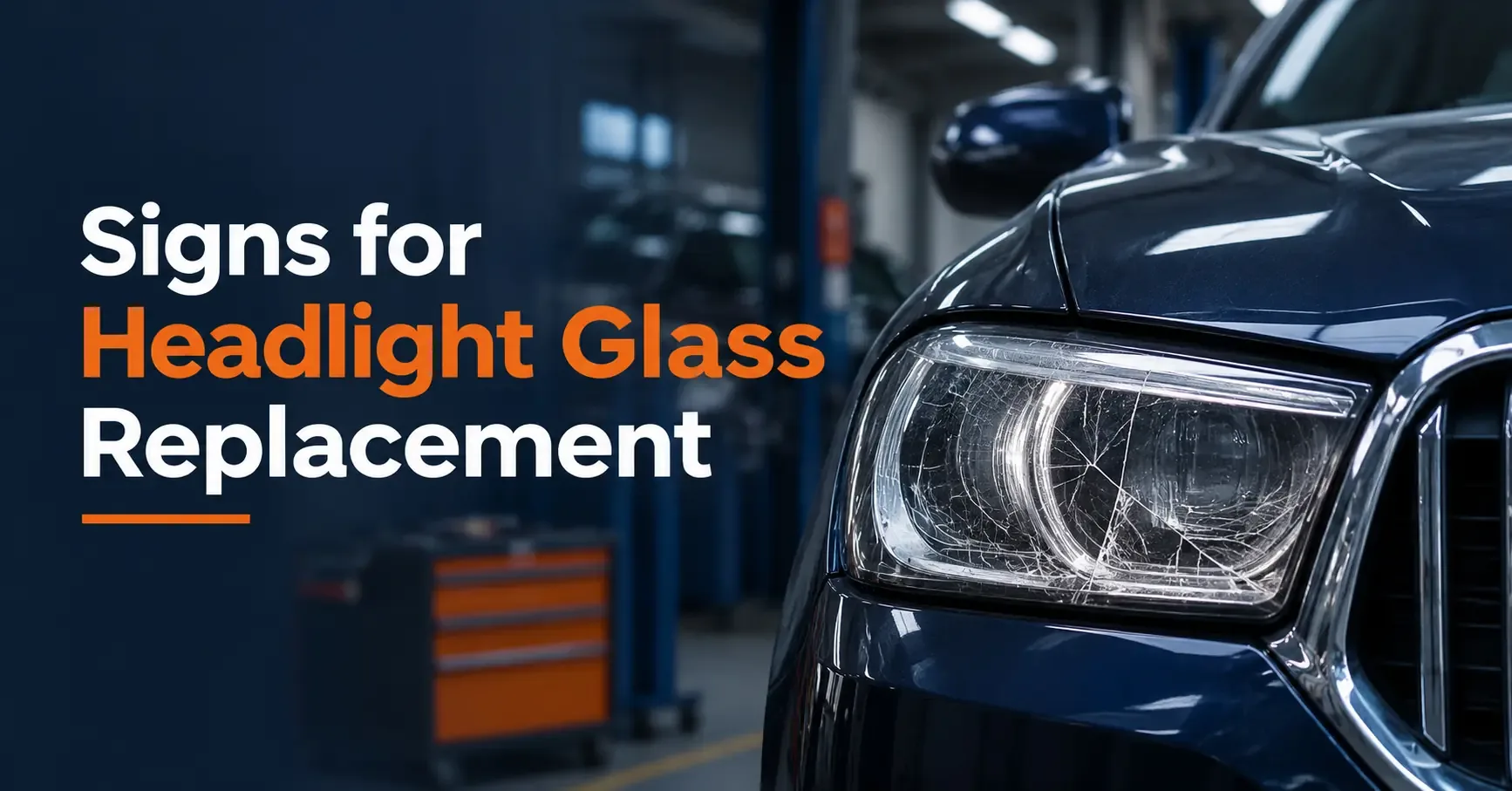
Your car’s headlights do more than improve its appearance. They help you see the road clearly, identify obstacles, judge distances and remain visible to other drivers, particularly after sunset or during poor weather. However, exposure to sunlight, dust, road debris, moisture and everyday driving conditions can gradually affect the condition of your headlight glass.
A small crack, cloudy surface or damaged headlight cover may seem like a minor cosmetic issue. But if the damage affects the light output or allows water and dirt to enter the headlight assembly, it can compromise visibility and lead to further problems.
So, when should you consider headlight glass replacement service? Is a minor crack enough to require replacement, or can professional cleaning and restoration solve the problem?
Understanding the warning signs can help you decide when your car needs attention.
What Is Headlight Glass and Why Is It Important?
Headlight glass, commonly called the headlight lens or cover, is the transparent outer component that protects the internal headlight assembly. Modern cars generally use durable plastic materials such as polycarbonate rather than traditional glass.
The headlight lens performs several important functions:
Protects internal components: It prevents dust, dirt, water and road debris from directly entering the headlight assembly.
Supports proper light output: Its clear surface allows light to pass through effectively.
Maintains visibility: A clean, undamaged lens helps the headlights illuminate the road as intended.
Protects the headlight assembly: It acts as a protective barrier for reflectors, projectors, bulbs and other internal components.
Maintains the car's appearance: Clear headlights contribute to the overall exterior finish of your vehicle.
When the headlight cover becomes cracked, cloudy, yellow or damaged, its ability to perform these functions can reduce. Depending on the extent of the damage, professional headlight restoration or complete headlight glass replacement may be necessary.
8 Signs That Your Car Needs Headlight Glass Replacement
Headlight damage does not always happen suddenly. In many cases, the lens gradually deteriorates, making it important to recognise the early warning signs.
1. Cracks or Visible Damage on the Headlight Lens
Cracks are among the clearest indications that you may need headlight glass replacement. They can develop when stones or road debris hit the headlight, when the car experiences a minor collision or due to accidental impact.
Even a small crack can become a bigger concern over time. Water, dust and moisture may enter through the damaged area and affect the internal components.
Inspect your headlights regularly for:
Fine surface cracks
Deep or visible fractures
Broken edges
Impact marks
Missing pieces of the lens
If the crack affects the protective seal or extends across the lens, professional inspection is important. Replacement may be necessary if the damage cannot be sealed or repaired reliably.
2. Cloudy or Yellow Headlight Glass
Have your headlights started looking dull or yellow even after washing your car? This could indicate oxidation and deterioration of the outer lens.
Most modern headlight lenses use polycarbonate, which can gradually become cloudy due to prolonged exposure to ultraviolet rays, environmental contaminants and general wear.
Cloudy headlights can affect the amount of light reaching the road, particularly when the deterioration becomes severe.
However, yellowing does not automatically mean you need a replacement. If the problem is limited to the outer surface, professional headlight restoration or polishing may improve clarity. If the lens has deep deterioration, extensive damage or structural weakness, replacement may be the more suitable option.
3. Water or Moisture Inside the Headlight
Moisture inside a headlight is another important warning sign. You may notice fogging, water droplets or condensation behind the lens.
A small amount of temporary condensation can occur because of temperature differences and may disappear after the headlight warms up. However, persistent moisture, large water droplets or visible water accumulation should not be ignored.
Possible causes include:
Cracks in the headlight lens
Damaged seals or gaskets
Improperly fitted headlight covers
Blocked or damaged ventilation passages
Previous repairs that did not restore the original sealing
If water continues to enter the headlight assembly, it can affect electrical connections, bulbs, reflectors and other internal components. A technician should inspect the complete assembly to identify whether the lens, seal or another component needs repair or replacement.
4. Reduced Headlight Brightness
If your headlights do not illuminate the road as effectively as they used to, the lens condition could be one of the reasons.
A cloudy, scratched or heavily oxidised surface can interfere with light transmission. This may make it harder to see road markings, pedestrians and obstacles at night.
However, reduced brightness can also result from ageing bulbs, electrical problems, damaged reflectors, incorrect headlight alignment or issues with the lighting system.
Before replacing the headlight glass, have the complete lighting system checked. If the lens is responsible for the reduced light output and restoration is not sufficient, replacement may help restore the intended performance.
5. Deep Scratches on the Headlight Surface
Minor surface scratches may develop through regular use, improper cleaning, contact with abrasive materials or exposure to road debris.
While light scratches may be removable through professional polishing, deeper scratches can affect the appearance and clarity of the lens.
Look out for:
Deep scratches that remain visible after cleaning
Multiple scratches across the lens
Rough or uneven surface patches
Damage that affects the light passing through the lens
If the scratches are too deep to correct through restoration, replacing the headlight lens may be necessary. A professional inspection can help determine the appropriate solution.
6. Broken or Loose Headlight Glass
A headlight cover that has become loose, displaced or partially broken needs immediate attention. It may no longer protect the internal components properly.
This type of damage can occur after an accident, impact with an object or deterioration of the adhesive and mounting points.
Driving with a loose or broken headlight cover can expose the internal assembly to water, dust and debris. It can also affect the appearance and functioning of the headlight.
In such situations, have the headlight assembly inspected to determine whether the lens can be replaced separately or whether the complete unit requires replacement.
7. Uneven or Distorted Light Output
Damaged or heavily deteriorated headlight lenses may interfere with the way light passes through the assembly. You may notice uneven illumination, unusual light patterns or reduced visibility in certain areas.
However, distorted light output can also be caused by incorrect alignment, damaged reflectors or problems with the bulb or projector.
A professional inspection can identify the actual cause. If the lens is damaged and affects the intended light distribution, replacement may be required.
8. Repeated Headlight Problems After Repairs
Have you already cleaned, polished or repaired your headlights but continue to notice the same problems?
Repeated fogging, moisture entry, visible cracks or persistent cloudiness may indicate that the damage goes beyond the outer surface.
Temporary repairs may not be sufficient if the lens has become structurally weak or the protective seal has deteriorated. In such cases, replacing the damaged lens or the complete headlight assembly may provide a more reliable solution.
What Causes Car Headlight Glass to Get Damaged?
Headlight lenses face several environmental and physical conditions throughout the year. Over time, these factors can affect their clarity, strength and protective properties.
Prolonged Exposure to Sunlight
Ultraviolet radiation can gradually break down the protective coating on polycarbonate headlight lenses. This may cause oxidation, yellowing and cloudiness.
Cars parked outdoors for extended periods may experience more noticeable deterioration.
Road Debris and Stone Chips
Small stones, gravel and other road particles can strike the headlight surface while driving. Repeated impacts may create scratches, chips or cracks.
Extreme Temperature Changes
Repeated heating and cooling can place stress on headlight materials and seals. Over time, this may contribute to deterioration, particularly when the assembly already has minor damage.
Improper Cleaning Methods
Using abrasive cloths, harsh chemicals or unsuitable cleaning products can scratch the lens or damage its protective coating.
Regular cleaning with appropriate products helps maintain the headlight surface.
Accidents and Minor Collisions
Even a minor front-end impact can damage the headlight cover, mounting points or seals. Sometimes, the damage may not be immediately visible.
A professional inspection after an accident can help identify problems before they become more serious.
Is Headlight Glass Replacement Better Than Headlight Restoration?
Not every damaged headlight needs complete replacement. The right solution depends on the type, location and severity of the damage.
Condition | Possible solution |
Light surface oxidation | Professional headlight restoration |
Minor surface scratches | Polishing or restoration, if suitable |
Heavy yellowing or cloudiness | Restoration assessment; replacement if deterioration is extensive |
Deep cracks | Headlight lens replacement or complete assembly replacement |
Broken or missing lens sections | Replacement |
Persistent water entry | Inspection of lens, seals and ventilation; repair or replacement as required |
Damaged internal components | Repair or replacement of affected components or complete assembly |
When Is Headlight Restoration Suitable?
Headlight restoration may be suitable when the lens is structurally intact but has become cloudy, dull or yellow due to surface oxidation.
The process generally involves cleaning, controlled sanding where required, polishing and applying an appropriate protective coating.
It can improve the appearance and clarity of the outer lens, but it cannot repair deep cracks, missing sections or significant structural damage.
When Should You Choose Headlight Glass Replacement?
Replacement is generally considered when the lens has developed deep cracks, broken sections, severe deterioration or damage that prevents it from protecting the internal components.
A technician should also check whether the lens can be replaced separately. On some vehicle models, the lens is not supplied as an independent service part, so the complete headlight assembly may need replacement.
The decision should always be based on the vehicle's design, the extent of damage and the availability of suitable replacement parts.
What Are the Benefits of Timely Headlight Glass Replacement?
Replacing damaged headlight glass at the appropriate time can help maintain your vehicle's lighting system and overall condition.
1. Helps Maintain Better Road Visibility
A clear and properly fitted headlight lens allows light to pass through as intended. Replacing a severely damaged lens can help restore the headlight's designed performance, provided the bulb, reflector, projector and alignment are also in good condition.
2. Protects Internal Headlight Components
A properly sealed headlight assembly helps prevent water, dust and debris from entering. Replacing a damaged lens can restore this protective barrier when the lens is the source of the problem.
3. Reduces the Risk of Further Damage
Cracks and damaged seals can allow moisture to reach internal components. Addressing the problem early may help prevent additional damage to bulbs, reflectors and electrical connections.
4. Improves the Car's Exterior Appearance
Cloudy, yellow or broken headlights can make even a well-maintained car look older. Clear and properly fitted headlight covers help maintain a cleaner, more presentable exterior.
5. Supports Safer Night-Time Driving
Properly functioning headlights are essential when driving after sunset, through poorly lit areas or during adverse weather. Maintaining the lens condition is one part of keeping the vehicle's lighting system in good working order.
How Can You Maintain Your Car's Headlight Glass?
Regular maintenance can help slow down headlight deterioration and keep the lighting system in good condition.
Find below some practical steps:
Clean headlights regularly: Use a soft microfibre cloth and a suitable automotive cleaning solution.
Avoid abrasive materials: Do not use rough scrubbers or harsh chemicals that can damage the lens.
Park in covered areas: Whenever possible, park your car in a garage or shaded location to reduce prolonged exposure to sunlight.
Inspect for cracks and chips: Check the headlights periodically, especially after driving on roads with loose gravel or debris.
Address moisture early: If condensation or water droplets persist inside the assembly, get the headlight inspected.
Maintain protective coatings: If your headlights have undergone restoration, follow the technician's advice on maintaining the protective coating.
Check light performance: Make sure both headlights illuminate properly and remain correctly aligned.
These simple practices can help maintain headlight clarity and reduce the chances of avoidable damage.
Why Choose Professional Headlight Glass Replacement?
Headlight glass replacement requires more than fitting a new cover. The technician must assess the existing damage, determine whether separate lens replacement is possible and ensure that the assembly is properly sealed.
Professional service can help with:
Identifying the actual cause of headlight damage
Checking whether restoration or replacement is more suitable
Selecting a compatible replacement component
Removing and fitting the lens or assembly correctly
Checking seals and mounting points
Inspecting electrical components
Verifying headlight alignment after installation
Professional inspection is particularly important for vehicles with projector headlights, LED lighting systems or integrated lighting components. These systems may require specific parts and fitting procedures.
Cracked, cloudy, yellow or broken headlights should not be treated as minor cosmetic issues. The condition of your headlight glass can affect visibility, protectiveness and the overall functioning of the lighting assembly.
If your car has minor surface oxidation, professional restoration may be sufficient. However, deep cracks, broken sections, persistent moisture or severe lens deterioration may indicate that headlight glass replacement is necessary.
Do not wait for damaged headlights to affect your night-time visibility or cause further problems inside the assembly. Get the headlights inspected by trained technicians and choose the right solution based on the condition of your vehicle.
Get Professional Headlight Glass Replacement Assistance
If your car's headlights have become cloudy, cracked or damaged, arrange a professional inspection to determine whether restoration or replacement is required. Contact Auto Car Repair to get the right service for maintaining clear headlights, proper lighting performance and a well-maintained vehicle.
Frequently Asked Questions (FAQs)
1. When should I replace my car's headlight glass?
You should consider headlight glass replacement when the lens has deep cracks, broken sections, persistent moisture entry or severe deterioration that affects light transmission and cannot be corrected through restoration.
2. Can cracked headlight glass be repaired?
Minor damage may sometimes be repairable, depending on its location and severity. However, deep cracks or broken sections generally require lens or complete headlight assembly replacement.
3. Is cloudy headlight glass a reason for replacement?
Not always. Cloudiness caused by surface oxidation may improve with professional headlight restoration. Replacement may be necessary if the lens has deep deterioration or structural damage.
4. Can I drive with cracked headlight glass?
Driving with cracked headlight glass is not advisable, particularly if the damage affects visibility or allows moisture to enter the assembly. Have it inspected and repaired or replaced as required.
5. Why does water enter my car's headlight?
Water may enter due to a cracked lens, damaged seals, improper fitting or blocked ventilation passages. A technician should inspect the assembly to identify the exact cause.
Get Clearer Visibility with Professional Headlight Replacement at Auto Car Repair!
Cracked, damaged or cloudy headlights can affect your car’s visibility and appearance. At Auto Car Repair, our team helps restore your vehicle’s lighting performance with professional headlight inspection and replacement services.
Visit Auto Car Repair for expert headlight replacement. Book your appointment today!
Tagged
0 Comments
RELATED GUIDES
How Does Car Ceramic Coating Protect Your Car’s Paint from Everyday Damage?
Read guide car suspension serviceHow Does Car Suspension Repair Improve Road Safety?
Read guide car denting paintingCan Car Denting and Painting Restore the Appearance of an Older Vehicle?
Read guide
DON’T COMPROMISE ON
YOUR CAR’S CARE
Auto Car Repair is a multi-brand collision and mechanical centre across Delhi NCR. Tell us what your car needs and a technician will call you back.