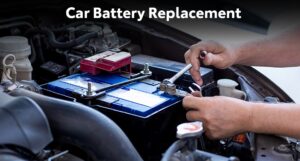
A car battery provides the necessary power to start the engine and operate various electrical systems.
A weak or dead battery can lead to several problems, such as difficulty starting, electrical system malfunctions, and unexpected breakdowns. Regular car battery service and replacement are important for smooth and optimal car performance.
The battery acts as the heart of a vehicle and therefore, must be well maintained to ensure continuous operation.
Find below the top indicators that your car battery Service needs attention.
Table of Contents
ToggleSigns of a Failing Car Battery
Identifying issues with your car battery helps you to take the necessary action promptly. Find below some of the signs indicating battery problems:
1. Dim headlights: If your car headlights have become dimmer than usual, it could be a sign of a weak battery.
2. Slow cranking: A sluggish or slow-to-start engine can be a symptom of a failing battery.
3. Clicking noises: If you hear clicking noises when you start your car, it’s often a sign of a weak or dead battery.
4. Interior lights dimming: If you notice your car’s interior lights dimming when you start the engine or turn on accessories, it might be a sign that your battery is struggling.
5. Battery warning light: If your car’s battery warning light comes on, it’s a clear indication that there’s an issue with your battery.
Once you identify any of the above signs, you must visit a professional technician to get the battery inspected. The technician will perform a full battery check and suggest necessary measures.
If your car battery needs replacement, you must get it done promptly. Delaying battery replacement can result in breakdowns and further issues.
Why is Timely Car Battery Replacement Crucial?
1. Avoid Getting Stranded: A dead battery can leave you stranded at an inconvenient time or location. Getting your car battery replaced promptly will help you avoid such situations and ensure smooth rides.
2. Maintain Vehicle Performance: A weak battery can affect your car’s overall performance. It can lead to sluggish acceleration, difficulty starting, and even damage to other electrical components. If not addressed on time, it can lead to further damage to other components and result in costly repairs.
3. Prevent Premature Wear and Tear: A faulty battery can cause excessive strain on the starter motor and alternator. It can further lead to premature wear and tear on these components resulting in early replacements. Hence, you must get your car battery replaced promptly.
4. Ensure Safety: A dead battery can compromise your safety, especially in emergency situations. A reliable battery is essential for operating essential safety features like headlights, power windows, and door locks.
5. Protect Electronics: Modern cars have numerous electronic systems that rely on a healthy battery. A weak battery can damage these sensitive components leading to early repairs or replacements.


Factors Affecting Battery Lifespan
While a car battery can typically last between 3 to 4 years, various factors can significantly impact its lifespan. Understanding these can help you maximize your battery’s longevity and performance.
1. Age: Batteries usually last around 3 to 5 years, but their longevity can vary based on usage patterns, environmental conditions, and how well they are maintained.
2. Usage: If you often take short trips, your battery may not have enough time to fully recharge. This can lead to a gradual decline in battery health, causing it to wear out more quickly than expected.
3. Climate: Extreme temperatures, whether it’s scorching heat or freezing cold, can put added stress on your battery. It can lead to reduced efficiency and a shorter lifespan.
4. Maintenance: Regularly checking the electrolyte levels, cleaning the terminals, and ensuring the battery is securely mounted can prevent issues that might shorten its life.
Tips for Battery Care
1. Regular Inspections: Have your battery checked by professional technicians during routine maintenance visits.
2. Clean Terminals: Corrosion on the battery terminals can lead to decreased performance. Clean them regularly with a wire brush and baking soda solution.
3. Avoid Deep Discharges: Prolonged deep discharges can shorten a battery’s lifespan.
4. Use a Battery Tender: If your car sits idle for extended periods, a battery tender can help maintain its charge. It is a device that helps to maintain your battery’s charge even if the car is not used for a long period.
By following these tips and ensuring timely car battery replacement, you can help maintain your car’s optimal performance and reliability. A healthy battery is essential for a safe and enjoyable driving experience.
Signs of a Failing Car Battery
Identifying issues with your car battery helps you take the necessary action promptly, before a small problem turns into a major breakdown.
Spotting early warning signs can save you from being stranded, prevent damage to other electrical components, and help you plan your battery replacement at a convenient time rather than during an emergency.
Find below some of the most common signs indicating you need a car battery replacement:
1. Dim Headlights
If your car headlights have become noticeably dimmer than usual, especially at low engine speeds or while idling, it could be a clear sign of a weakening battery.
A healthy battery powers the headlights at full brightness consistently. Reduced brightness often indicates the battery is struggling to maintain charge or that the alternator isn’t compensating effectively.
2. Slow Cranking
A sluggish or slow-to-start engine is one of the most reliable symptoms of a failing battery. When you turn the key or press the start button, the engine should fire up quickly and confidently.
If it cranks slowly, takes multiple attempts, or hesitates before starting, the battery may not have enough power to spin the starter motor at full speed. This symptom often worsens in cold weather, when batteries naturally lose some of their capacity.
3. Clicking Noises
If you hear repeated clicking noises when you try to start your car, it’s typically a sign that the battery doesn’t have enough power to engage the starter motor properly.
The clicking sound comes from the starter solenoid attempting but failing to crank the engine. This often happens after the engine has been off for a while and indicates the need for car battery replacement.
4. Interior lights dimming
If you notice your car’s interior lights, dashboard displays, or infotainment screen dimming or flickering when you start the engine or turn on accessories, it’s a strong sign your battery is struggling.
Modern cars rely on stable voltage to power their sensitive electronics, and any dimming indicates the battery is unable to supply consistent power.
5. Battery warning light
If your car’s battery warning light illuminates on the dashboard, it’s a clear indication of a problem with the battery, charging system, or alternator.
Never ignore this warning as it could mean the battery is failing, the alternator isn’t charging it properly, or there’s a wiring or connection issue. Prompt inspection by a professional technician is essential to check if car battery replacement is required.
6. Bloated or swollen battery case
A swollen or misshapen battery case is a serious warning sign indicating internal damage or overheating, often caused by extreme temperatures or overcharging. A swollen battery should be replaced immediately to prevent leaks or further damage.
7. Foul smell from the battery
A rotten-egg or sulphur-like smell near the battery indicates internal leakage of battery acid. This is a serious issue that requires immediate attention from a professional technician.
Once you identify any of the above signs, you must visit a professional technician to get the battery inspected without delay. The technician will perform a full battery health check, test the voltage, examine the alternator’s charging output, and suggest necessary measures.
If your car battery needs replacement, you must get it done promptly. Delaying car battery replacement can result in unexpected breakdowns, damage to other electrical components, and the inconvenience of being stranded at the worst possible time.
Why is Timely Car Battery Replacement Crucial?
A timely car battery replacement directly impacts your car’s performance, safety, longevity, and overall ownership experience.
Find below why timely battery replacement is genuinely crucial:
1. Avoid Getting Stranded
A dead battery can leave you stranded at the most inconvenient time or location, whether it’s a dark parking lot late at night, a remote highway, or your office driveway when you’re already running late.
These situations are not only frustrating but can also be unsafe, especially for women, elderly drivers, and those travelling alone. Getting your car battery replaced promptly ensures smooth and reliable rides every single time, no matter the weather, time of day, or location.
2. Maintain Vehicle Performance
A weak battery directly affects your car’s overall performance. It can lead to sluggish acceleration, difficulty starting, hesitation in ignition, and even erratic behaviour from electronic systems.
Modern cars rely on stable battery voltage to manage everything from engine timing to fuel injection. If a weak battery isn’t addressed on time, it can lead to further damage to other components and result in costly repairs that far exceed the cost of timely car battery replacement.
3. Prevent Premature Wear and Tear
A faulty or weak battery forces other components to work harder to compensate. The alternator, in particular, takes on additional load trying to maintain electrical supply, while the starter motor experiences excessive strain during repeated start attempts.
This accelerated stress can lead to premature wear and tear on these expensive components, resulting in early replacements of the alternator, starter motor, and wiring. Replacing the battery promptly protects the entire electrical system.
4. Ensure Safety
A reliable battery is essential for operating critical safety features such as headlights, brake lights, indicators, power windows, central locking, airbag systems, and ABS sensors.
A dead or weak battery can compromise your safety, especially in emergency situations where every electrical function matters. Timely car battery replacement keeps every safety system operating reliably.
5. Protect Electronics
Modern cars are packed with sensitive electronic systems such as touchscreens, sensors, ECUs, infotainment units, ADAS modules, and more. All of these rely on stable, clean voltage from a healthy battery.
A weak or unstable battery can deliver inconsistent voltage that gradually damages these expensive electronics, leading to early repairs, software glitches, or even complete component failures. A reliable battery protects your car’s most valuable electronic systems.
6. Save Long-Term Costs
While many drivers delay car battery replacement to save short-term money, it almost always costs more in the long run. The cost of a cascading failure, damaged alternator, worn starter motor, fried electronics, etc., far exceeds the cost of battery replacement.
Factors Affecting Battery Lifespan
While a car battery can typically last between 3 to 5 years, several factors can significantly impact its lifespan, either shortening or extending it.
Find below the factors that help you maximize your battery’s longevity, performance, and reliability.
1. Age: Batteries naturally degrade over time, regardless of usage. Most batteries last around 3 to 5 years, but their longevity can vary based on usage patterns, environmental conditions, and how well they are maintained. Even a well-cared-for battery will eventually lose capacity as the internal chemistry deteriorates.
2. Usage Patterns: How you use your car matters enormously for battery life. If you often take short trips, your battery may not have enough time to fully recharge between starts. The alternator needs sustained driving to top up the battery, and frequent short trips can lead to a gradual decline in battery health, causing it to wear out far sooner than expected. Conversely, leaving a car unused for long periods can also drain the battery.
3. Climate Conditions: Extreme temperatures, whether scorching summer heat or freezing winter cold, place added stress on your battery. In hot climates like Delhi NCR, where summer temperatures regularly exceed 45°C, the heat accelerates evaporation of the battery’s internal fluids and speeds up internal corrosion. Cold weather, on the other hand, reduces the battery’s chemical reaction efficiency, making it harder to start the engine. Both extremes can reduce battery lifespan significantly.
4. Maintenance Habits: Regular battery maintenance plays a crucial role in lifespan. This includes checking electrolyte levels (in non-sealed batteries), cleaning the terminals to prevent corrosion buildup, ensuring the battery is securely mounted to prevent vibration damage, and confirming the charging system is functioning properly. Neglecting these basic maintenance tasks can dramatically shorten battery life.
5. Electrical Load: Heavy electrical demands from accessories such as powerful audio systems, multiple chargers, aftermarket lighting, or constantly running AC, can drain the battery faster and shorten its lifespan. Cars with start-stop technology also place higher demands on the battery, requiring more durable battery types.
Tips for Battery Care
Following a few simple care practices can significantly extend your car battery’s lifespan and ensure optimal performance throughout its life:
1. Regular Inspections: Have your battery checked by professional technicians during every routine maintenance visit. Professional inspection includes voltage testing, load testing, alternator output checks, and terminal inspection. Early detection of weaknesses lets you plan a car battery replacement before a sudden failure.
2. Clean Terminals: Corrosion on the battery terminals is one of the most common causes of poor battery performance. White or greenish deposits on the terminals create resistance that reduces electrical flow. Clean them regularly with a wire brush and a solution of baking soda and water, then apply a thin layer of protective grease to prevent future corrosion. This simple step can dramatically improve battery performance.
3. Avoid Deep Discharges: Prolonged deep discharges, such as leaving headlights or interior lights on overnight, or letting the car sit unused for weeks, can permanently shorten a battery’s lifespan. Each deep discharge reduces the battery’s capacity to hold a full charge in future. Always double-check that all lights and accessories are switched off when parking, and try to start the car at least once a week if it’s not in regular use.
4. Use a Battery Tender: If your car sits idle for extended periods, such as during long trips, business travel, or seasonal storage, a battery tender or trickle charger can help maintain its charge. These devices deliver a small and steady current that keeps the battery topped up without overcharging it, ensuring it’s ready to go whenever you return.
5. Ensure Secure Mounting: A loose battery vibrates during driving, which can damage internal cells and shorten lifespan. Make sure your battery is firmly secured in its tray with proper hold-down brackets.
6. Limit Short Trips: Where possible, combine errands into one longer trip rather than several short ones. This gives the alternator enough time to fully recharge the battery between uses.
By following these tips and ensuring timely car battery replacement when needed, you can help maintain your car’s optimal performance, reliability, and safety. A healthy battery is essential for a safe, enjoyable, and stress-free driving experience.
Auto Car Repair – Book Your Car Battery Service Today!
The multi-brand service center provides a wide range of car repair, maintenance, and detailing services. Its modern workshops located in the prime locations of Delhi, Noida, and Gurugram are equipped with the latest technology and equipment. Their highly skilled technicians use their expertise to diagnose and repair various car issues.
Visit Auto Car Repair for expert car service!
FAQS
If properly maintained, a car battery can perform optimally for 3-5 years.
You must get your car battery checked at least twice a year by a professional technician. It is also advisable to get it inspected before going on a long trip.
It depends on the type of battery, the make and model of your car, and other factors.
Visit Auto Car Repair Locations
Moti Nagar: 60 N G Road, Rama Rd, Moti Nagar, New Delhi, Delhi 110015
Okhla: G7JF+F87, Pocket W, Okhla Phase II, Okhla Industrial Estate, New Delhi, Delhi 110020
Noida: H-142, near Ananda Corporate Office, H Block, Sector 63, Noida, Uttar Pradesh 201301