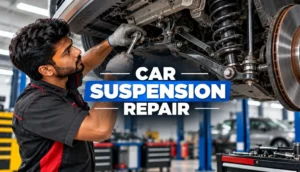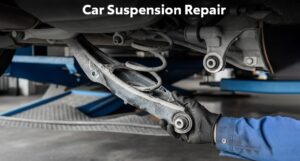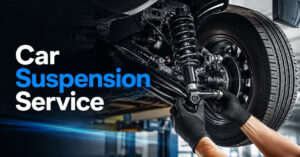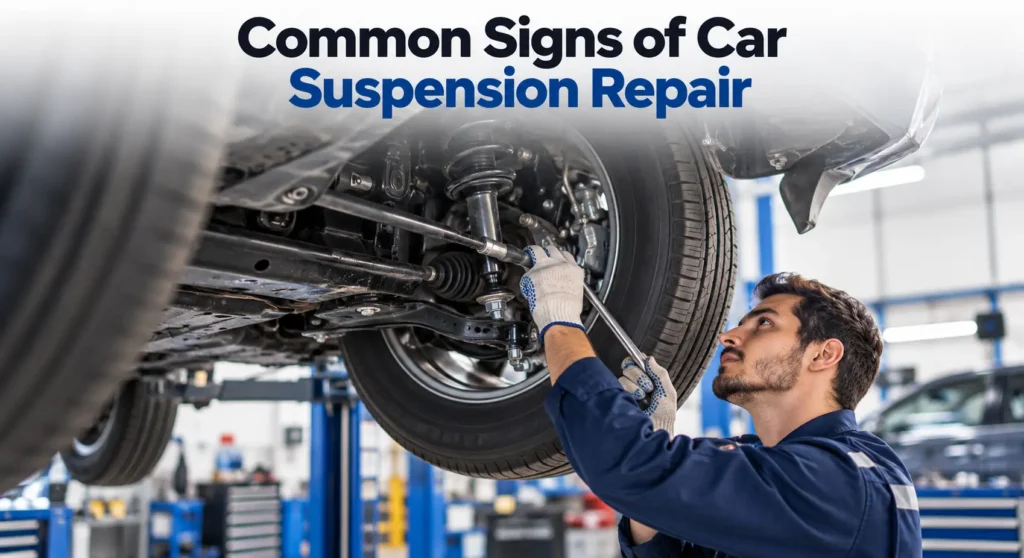
Have you noticed unusual noises when driving over potholes, excessive bouncing on uneven roads, or a change in how your car handles corners?
These symptoms may indicate a problem with your vehicle’s suspension system. Since the suspension affects ride comfort, tyre contact with the road, and vehicle stability, identifying these warning signs early can help you address potential problems before they worsen.
Daily driving conditions, including potholes, speed breakers, uneven road surfaces, and frequent braking, can put stress on suspension components. Over time, parts such as shock absorbers, struts, springs, and control arm bushings may wear out or become damaged.
Find below the warning signs you should not ignore for car suspension repair.
1. Excessive Bouncing After Driving Over Bumps
Does your car continue bouncing after passing over a speed breaker or pothole?
This behaviour may indicate worn shock absorbers or struts.
Shock absorbers help control the movement of your vehicle’s springs and keep the tyres in contact with the road. When these components lose their effectiveness, the car may continue moving up and down after crossing an uneven surface.
Excessive bouncing can make passengers uncomfortable and affect vehicle stability, particularly when driving on rough roads. It may also reduce the suspension system’s ability to maintain consistent tyre contact with the road.
If your car bounces repeatedly after crossing a bump, schedule a suspension inspection. A technician can examine the shock absorbers, struts, springs, and related components to identify the cause.
2. Knocking or Clunking Noises from Under the Car
Unusual noises from the suspension area are another sign that your vehicle may need attention.
If you hear knocking, clunking, or rattling sounds when crossing potholes, speed breakers, or uneven surfaces, worn or loose suspension components could be responsible.
Common causes include:
- Worn suspension bushes.
- Damaged ball joints.
- Loose mounting hardware.
- Worn stabiliser bar links.
- Damaged shock absorber mounts.
These noises may become more noticeable when driving over rough roads or turning at low speeds. However, similar sounds can also come from steering components, brakes, or other parts of the vehicle.
A professional inspection can help identify the source of the noise and determine whether you need suspension repair or replacement of a specific component.
3. Uneven Tyre Wear
Have you noticed that one side of your tyre wears out faster than the other?
Uneven tyre wear may indicate a suspension problem, incorrect wheel alignment, improper tyre pressure, or a combination of these issues.
Worn suspension components can affect wheel positioning and the way tyres maintain contact with the road. This may cause excessive wear along the inner or outer edges of the tyres.
Common warning signs include:
- One tyre wears faster than the others.
- Excessive wear along the inner or outer tyre edges.
- Uneven tread wear across the tyre surface.
- Repeated alignment problems despite adjustments.
Ignoring uneven tyre wear can shorten tyre life and affect handling. If you notice unusual tread patterns, ask a technician to inspect the suspension and check the wheel alignment and tyre pressure.
Timely repairs can help prevent further damage and support more consistent tyre performance.
4. Your Car Pulls to One Side
Does your car drift towards the left or right when you drive on a straight road?
Worn control arm bushes, damaged ball joints, or other suspension issues can affect wheel positioning and vehicle stability.
You may notice this problem when driving at a steady speed or when the steering wheel does not remain centred. However, pulling to one side does not automatically mean that the suspension needs repair.
Start by checking tyre pressure and arranging a professional inspection of the tyres, wheel alignment, steering system, and suspension components.
If the car pulls strongly to one side or becomes difficult to control, avoid continuing to drive it and arrange professional assistance.
5. The Car Dips Excessively During Braking
A vehicle’s suspension helps manage weight transfer during acceleration, braking, and cornering. If the front of your car dips excessively when you apply the brakes, worn shock absorbers or struts may be contributing to the problem.
This symptom can also result from braking system faults, so a proper diagnosis is important.
You may notice:
- The front end dipping noticeably during braking.
- A feeling that the vehicle takes longer to settle after braking.
- Reduced stability when slowing down.
- Unusual movement when braking on uneven roads.
Excessive front-end dipping can affect driving confidence and may indicate that the suspension or braking system needs attention.
If you experience this behaviour, arrange a prompt inspection. If braking performance has deteriorated or the vehicle feels unsafe, stop driving and seek professional assistance.
6. Your Car Feels Unstable While Cornering
A healthy suspension system helps your vehicle remain controlled when turning. Worn shock absorbers, damaged springs, or deteriorated suspension bushings can allow excessive body movement and affect stability.
You may notice that your car leans more than usual when taking corners or feels unsettled when changing lanes.
Potential warning signs include:
- Excessive body roll while turning.
- A feeling that the vehicle sways during lane changes.
- Reduced confidence when cornering.
- Unusual movement over uneven roads.
Several factors can cause these symptoms, including tyre condition, tyre pressure, steering problems, and suspension wear.
If your car feels less stable than usual, have the suspension, tyres, steering, and wheel alignment checked by a qualified technician.
7. One Corner of the Car Sits Lower Than the Others
A car that appears lower on one side may have a damaged or weakened suspension spring. In some cases, a broken spring, worn component, or other suspension fault can affect the vehicle’s normal ride height.
Look for these signs:
- One corner of the vehicle appears lower when parked on level ground.
- The car sits unevenly even when unloaded.
- You hear unusual noises when driving over bumps.
- The vehicle feels different when turning or passing over uneven surfaces.
An uneven ride height should not be ignored because it may affect handling, tyre wear, and the operation of other suspension components.
Park the car on a level surface and arrange a professional inspection if you notice a significant difference in height. Avoid attempting to repair or dismantle suspension springs yourself, as they can remain under considerable tension.
8. Steering Feels Loose or Vibrates Unusually
Changes in steering feel may sometimes point to suspension or steering system problems.
If the steering wheel feels unusually loose, the car wanders on straight roads, or you notice vibrations, worn ball joints, damaged control arm bushes, wheel imbalance, tyre damage, or steering component faults may be responsible.
Pay attention to symptoms such as:
- Excessive steering play.
- Vibrations that increase with vehicle speed.
- Wandering or inconsistent steering response.
- Knocking noises while turning.
Not every steering vibration comes from the suspension. Wheel balancing, tyre defects, brake problems, and steering system faults can produce similar symptoms.
9. Fluid Leaks Around Shock Absorbers
Shock absorbers contain fluid that helps control suspension movement. If a shock absorber develops a leak, its performance may deteriorate.
You may notice oily residue or wetness around the shock absorber body. Dirt may also stick to the affected area, making the leak more visible.
However, a light film of residue does not always confirm a failed shock absorber. A technician should assess the amount of leakage and check the component’s condition and performance.
If you notice a suspected leak, arrange a suspension inspection. Replacing a worn or damaged shock absorber when necessary can help restore suspension control and improve ride quality.
10. Your Ride Feels Harsher Than Usual
A suspension system should help absorb road imperfections and reduce the impact passengers feel inside the cabin.
If your car suddenly feels unusually harsh over potholes, speed breakers, or rough surfaces, worn shock absorbers, damaged springs, deteriorated bushes, or incorrect tyre pressure may be responsible.
You may notice that small road imperfections produce stronger impacts than before or that the car feels less settled after passing over bumps.
First, check whether the tyres have the recommended pressure. If the problem continues, arrange a professional suspension inspection.
A technician can examine the suspension components and identify whether the problem requires a car suspension repair or replacement.
What Causes Car Suspension Problems?
Suspension components experience repeated movement and stress during everyday driving. Several factors can contribute to premature wear or damage.
1. Driving Over Potholes and Speed Breakers
Hitting potholes at high speed or crossing speed breakers without slowing down can place additional stress on shock absorbers, springs, bushes, and other suspension parts.
2. Regular Driving on Uneven Roads
Frequent travel on damaged or rough roads increases the amount of work the suspension system must perform.
3. Worn-Out Components
Shock absorbers, struts, ball joints, and rubber bushes deteriorate with age, mileage, and use. Their service life varies according to the vehicle and driving conditions.
4. Overloading the Vehicle
Carrying more weight than the manufacturer’s recommended limit places additional stress on suspension springs and related components.
5. Delayed Maintenance
Ignoring unusual noises, uneven tyre wear, or changes in handling can allow minor faults to develop into more extensive problems.
Understanding these causes can help you recognise situations that place additional stress on your vehicle’s suspension.
Why Is Timely Car Suspension Repair Important?
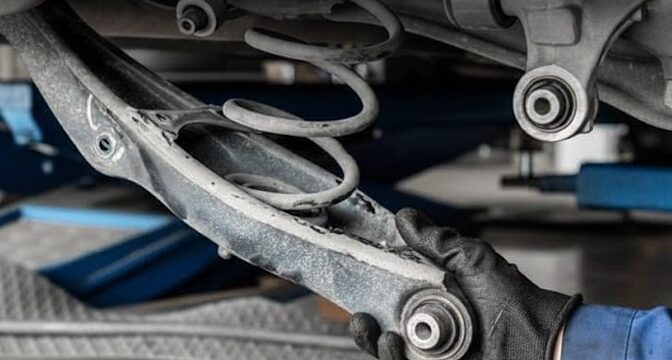
Addressing suspension problems early can help maintain vehicle comfort, stability, and control.
Find below the important benefits of timely car suspension repair:
- Improved ride comfort: Properly functioning suspension components help absorb road impacts.
- Better vehicle stability: The suspension helps manage body movement during cornering and braking.
- More consistent tyre contact: Healthy suspension components support effective tyre contact with the road.
- Reduced risk of related damage: Repairing worn components can help prevent additional stress on connected parts.
- More predictable handling: Addressing suspension and steering faults can help restore the vehicle’s normal driving behaviour.
Suspension repairs do not automatically resolve every handling or braking issue. A technician should diagnose the cause and inspect related systems before recommending the necessary work.
Recognising the common signs your car needs suspension repair can help you address potential problems before they affect your comfort and driving confidence. Excessive bouncing, unusual noises, uneven tyre wear, steering changes, and fluid leaks are all reasons to arrange an inspection.
Since similar symptoms can result from tyre, steering, braking, or suspension faults, professional diagnosis is important. Avoid replacing components based only on a symptom without confirming the underlying cause.
Regular inspections, sensible driving over potholes, and timely repairs can help keep your vehicle’s suspension system in good condition.
Looking for car repair shop nearby?
Visit Auto Car Repair for expert diagnostics and quality repairs in Delhi NCR.
Frequently Asked Questions (FAQs)
1. What are the common signs that a car needs suspension repair?
Common signs include excessive bouncing, knocking noises, uneven tyre wear, pulling to one side, excessive body roll, steering changes, fluid leaks around shock absorbers, and uneven ride height.
2. How do I know if my car shock absorbers are worn out?
Repeated bouncing after bumps, reduced ride control, unusual body movement, and visible fluid leakage may indicate worn shock absorbers. A professional inspection can confirm their condition.
3. Can bad suspension cause uneven tyre wear?
Yes. Worn or damaged suspension components can affect wheel positioning and tyre contact. Incorrect wheel alignment and tyre pressure can also cause uneven wear, so the entire system should be checked.
4. Why does my car make knocking noises over potholes?
Knocking noises may come from worn bushes, ball joints, stabiliser links, shock absorber mounts, or loose hardware. A technician should inspect the suspension and other possible sources.
5. Can suspension problems affect braking?
Yes. Worn suspension components can affect vehicle stability and tyre contact with the road during braking. However, excessive dipping or poor braking performance may also indicate a braking system fault that requires inspection.
6. How often should I get my car suspension checked?
Follow the inspection schedule recommended by your vehicle manufacturer. You should also arrange an inspection if you notice unusual noises, changes in handling, tyre wear, or damage after a significant impact.
7. Is it safe to drive with a damaged suspension?
It depends on the fault’s severity. Minor issues still require inspection, while severe instability, broken springs, major fluid leaks, or steering problems may make the vehicle unsafe to drive.
8. What components are checked during a suspension inspection?
A technician may inspect shock absorbers, struts, springs, mounts, ball joints, control arm bushes, stabiliser links, steering components, tyres, and wheel alignment.
9. Can driving over potholes damage car suspension?
Yes. Strong impacts from potholes can damage or accelerate wear in suspension components, wheels, and tyres. Slowing down when road conditions permit can help reduce impact stress.
10. When should I book a car suspension repair service?
Book an inspection when you notice persistent knocking, excessive bouncing, uneven tyre wear, steering changes, or fluid leakage. Seek prompt assistance if your vehicle becomes unstable or difficult to control.
Book Car Suspension Repair in Delhi NCR
Noticing unusual noises, excessive bouncing, or uneven tyre wear?
Visit Auto Car Repair for a professional suspension inspection. Get the suspension, steering, and related components checked to identify potential issues and understand the recommended repairs.
Book your car service today!
| Showroom Location | Address | Call/Whatsapp Number | Nearby Locations |
| Moti Nagar | 57, Rama Rd, Block C, Najafgarh Road Industrial Area, New Delhi, Delhi, 110015 | 098704 00861 | Ramesh Nagar, Punjabi Bagh, Rajouri Garden, Mayapuri, Kirti Nagar, Janakpuri, Sudarshan Park, Chand Nagar, ESI, |
| Gurugram | Unit-1 Plot No 29 & 30, near, Kargil Shaheed Sukhbir Singh Yadav Marg, Info Technology Park, Sector 34, Gurugram, Haryana 122004 | 098104 46692 | Sec 37 Gurugram, Sec 37B Gurugram, Sec 72A Gurugram, Sec 74 Gurugram, Sec 35 Gurugram, Sec 36 Gurugram, |
| Noida | H-142, near Ananda Corporate Office, H Block, Sector 63, Noida, Uttar Pradesh 201309 | 097739 94175 | Noida 63, Noida 62, Noida 65, Noida 66, Gaur City 2, Indirapuram, |
| Okhla | ACR Automobiles Plot No. 1 – 8, DSIDC Sheds, Okhla Phase 2, New Delhi, 110020 | 092892 00643 | Okhla Phase 2, Sarita Vihar, Jasola Vihar, Govindpuri, Okhla Nsic, Nehru Palace, |