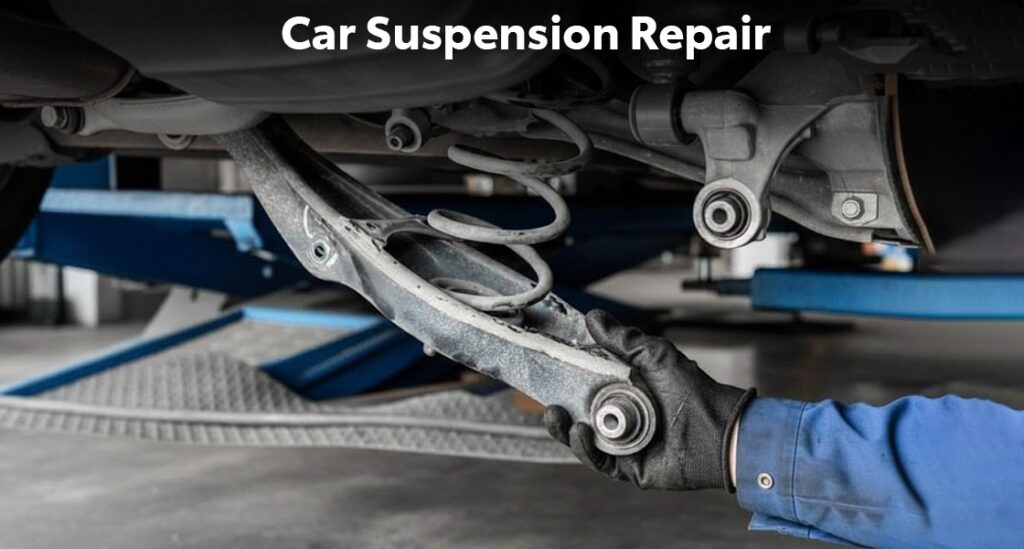
Can regularly driving over potholes and speed breakers actually damage your car’s suspension?
Yes. Hitting deep potholes, crossing poorly designed speed breakers at high speed and repeatedly driving on uneven roads can place significant stress on suspension components. Over time, these impacts can affect ride comfort, steering response, wheel alignment, tyres and overall vehicle stability.
These conditions can become particularly challenging during and after the monsoon, when damaged road surfaces and water-filled potholes may become harder to identify. Even when a single impact does not cause an immediate problem, repeated stress can gradually accelerate wear.
Find below how you can prevent suspension issues with timely car suspension repair.
Why Is Your Car’s Suspension So Important?
Your car’s suspension connects the vehicle body to the wheels while helping the tyres maintain consistent contact with the road.
The system includes several components that work together, such as shock absorbers or struts, springs, control arms, bushes, ball joints and other linkages.
When these components work correctly, they help the vehicle absorb road irregularities, maintain stability through turns and respond predictably to steering and braking inputs.
Potholes and harsh speed-breaker impacts force these components to absorb sudden loads. Repeated impacts can accelerate wear and eventually affect the way your car drives.
How Do Potholes Put Stress on Car Suspension?
Potholes can put sudden and heavy pressure on your car’s suspension system.
When a wheel drops into a pothole and comes back onto the road, the suspension quickly absorbs the impact to keep the vehicle stable. The amount of stress depends on factors such as the pothole’s depth, your driving speed, tyre condition and the angle of impact.
Hitting a deep pothole at high speed can place extra strain on shock absorbers, springs, bushes and other suspension components. While one impact may not always cause immediate damage, repeatedly driving over potholes can accelerate wear and reduce the life of these parts.
If you notice unusual noises, excessive bouncing, steering changes or reduced ride comfort after hitting a pothole, consider getting your suspension checked.
1. Shock Absorbers and Struts Can Wear Faster
Shock absorbers and struts control unwanted suspension movement and help keep the vehicle stable after bumps.
Frequent pothole impacts make these components work harder. As they wear, they may become less effective at controlling the movement of the vehicle body.
You may notice that the car takes longer to settle after crossing a bump, feels less controlled on uneven roads or produces unusual noises from the suspension area.
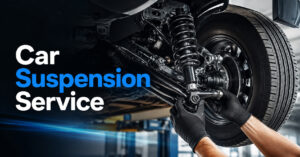
A professional car suspension service can inspect the shocks or struts for wear, leakage and physical damage and determine whether repair or replacement is necessary.
2. Suspension Bushes Can Develop Wear
Suspension bushes provide cushioning between various metal components while allowing controlled movement.
Repeated shocks from broken roads, potholes and abrupt speed breakers can place additional stress on these bushes. Over time, the rubber can crack, harden or wear.
Worn bushes may cause knocking or clunking sounds, particularly when driving over uneven surfaces. They can also contribute to less precise handling.
Drivers often become accustomed to the change because bush wear may develop gradually. A suspension inspection can identify deterioration before it begins affecting other components.
3. Wheel Alignment Can Move Out of Specification
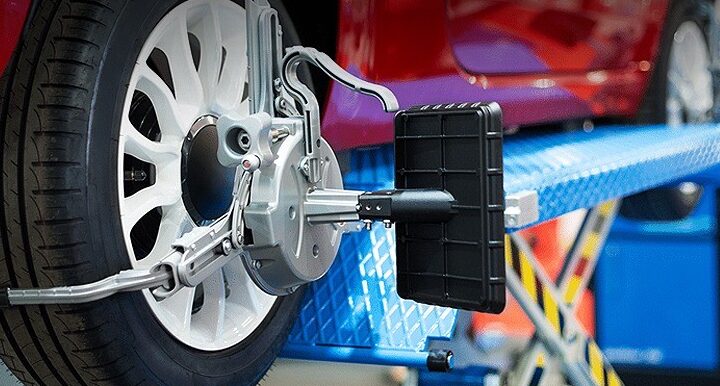
A hard pothole impact can affect wheel alignment, particularly when the wheel strikes the edge of the pothole at an angle.
The wheels no longer point in their intended directions when alignment moves outside the recommended specifications. You may notice the car pulling to one side, an off-centre steering wheel or uneven tyre wear.
Misalignment can also make the vehicle feel less stable and shorten tyre life.
If your car starts behaving differently after hitting a major pothole, checking both the suspension and wheel alignment can help identify the cause.
4. Ball Joints and Control Arms Can Take Additional Stress
Control arms connect the wheel assembly to the vehicle structure and help maintain stability. Ball joints allow the wheels and suspension to move smoothly during steering and driving.
Strong impacts can place sudden loads on these components and their mounting points. Repeated stress may accelerate wear, particularly if a component already has play or deterioration.
Possible symptoms include knocking noises, vague steering, uneven tyre wear or changes in handling.
Ignoring worn steering or suspension joints can create safety issues on the road. Car owners should book car suspension repair when an inspection identifies excessive play or damage.
5. Springs Can Lose Their Effectiveness
Suspension springs support the vehicle’s weight and help absorb vertical movement from the road.
Repeated heavy impacts can place additional stress on the springs. Corrosion, age and existing wear can further increase their vulnerability.
A damaged or weakened spring may cause one corner of the vehicle to sit lower than the others. Drivers may also notice reduced ride comfort or unusual noises over bumps.
A technician can inspect ride height and spring condition during a car suspension repair to identify potential problems.
6. Potholes Can Damage Tyres and Wheels Along With the Suspension
A severe impact can damage a tyre sidewall, bend a wheel or affect tyre pressure. Because tyres, wheels, alignment and suspension work together, damage in one area can change how the entire vehicle behaves.
For example, a bent wheel can create vibration, while damaged tyres may affect stability. Misalignment can then cause additional tyre wear.
After a significant impact, inspecting the tyre and wheel along with the suspension provides a more complete assessment.
How Do Speed Breakers Affect Car Suspension?
Speed breakers serve a different purpose from potholes, but crossing them incorrectly can create similar stress.
Driving over a speed breaker too quickly puts sudden pressure on your car’s suspension. The front suspension takes the first impact, followed by the rear suspension as the back wheels cross the speed breaker.
A properly functioning suspension can handle normal road irregularities, but repeatedly crossing high or abrupt speed breakers at excessive speed increases unnecessary stress.
The risk can become greater when a speed breaker is unusually steep, poorly marked or difficult to see at night.
Reducing speed before reaching the breaker allows the suspension to manage the change in road height more smoothly.
Can Speed Breakers Damage the Car’s Underbody?
Suspension damage is not the only concern.
Cars with lower ground clearance may scrape their underbody while crossing steep speed breakers, especially when carrying several passengers or heavy luggage.
Depending on the vehicle, vulnerable areas may include underbody panels, exhaust components and other low-mounted parts.
Approaching steep breakers slowly and smoothly can reduce both suspension impact and the possibility of underbody contact.
What Are the Warning Signs of Car Suspension Problems?
Suspension deterioration does not always produce an obvious failure. Often, the car gradually begins to feel different.
Pay attention if you notice:
- Knocking or clunking over bumps
- Excessive bouncing after a speed breaker
- A rougher ride than usual
- Vehicle pulling to one side
- Uneven or unusually rapid tyre wear
- Steering that feels loose or less precise
- Excessive body movement while cornering
- One side of the vehicle sitting lower
- Fluid leakage around shock absorbers
- New vibration after hitting a pothole
These symptoms do not always confirm suspension damage because tyres, wheels, steering and alignment can produce similar behaviour. A professional inspection can identify the actual cause, and the extent of car suspension repair required.
Why Should You Avoid Delaying Car Suspension Repair?
A worn suspension component rarely affects only ride comfort.
For example, deteriorated suspension can contribute to irregular tyre contact with the road. Worn joints or bushes can affect alignment and steering precision, while ineffective shock absorbers can reduce control over vehicle movement.
Delaying car suspension repair may therefore allow one worn component to place additional stress on related parts.
Early diagnosis gives technicians an opportunity to address the actual source of the problem before associated wear becomes more extensive.
How Can Suspension Problems Affect Tyre Life?
Suspension geometry plays an important role in keeping tyres correctly positioned against the road.
When worn components or pothole impacts affect alignment, the tyre may no longer wear evenly across its tread. One edge can wear faster, or the tyre can develop irregular wear patterns.
Replacing tyres without correcting the underlying suspension or alignment problem may simply cause the new tyres to wear unevenly again.
This is why a suspension and alignment inspection can be valuable when unexplained tyre wear appears.
Can Suspension Damage Affect Steering and Handling?
Yes. The suspension and steering systems work closely together to control wheel movement and vehicle direction.
Worn bushes, ball joints or other suspension components can make steering feel less precise. The car may wander, pull to one side or require frequent corrections.
Drivers may notice these changes most clearly at higher speeds or while cornering.
If handling suddenly changes after hitting a pothole, arrange an inspection rather than assuming that the vehicle only needs wheel alignment. The technician should check for underlying suspension damage as well.
Why Can Delhi’s Monsoon Make Pothole Damage More Likely?
Monsoon conditions can make damaged roads more difficult to navigate.
Standing water can hide pothole depth, leaving drivers unable to judge whether they are approaching a shallow depression or a much deeper hole. Water and poor visibility can also make sudden avoidance difficult.
The safest approach is to reduce speed when approaching waterlogged or visibly damaged sections of road. Avoid aggressive steering movements around a pothole when surrounding traffic makes them unsafe.
After a particularly hard impact, monitor the car for changes in steering, vibration, noise or ride quality.
When Should You Book Car Suspension Repair in Delhi?
You do not need to wait until the car becomes extremely uncomfortable to arrange an inspection.
Consider booking car suspension repair in Delhi if you notice persistent knocking sounds, excessive bouncing, steering changes, uneven tyre wear or a noticeable reduction in ride quality.
You should also consider an inspection after a severe pothole impact, particularly if the steering wheel position changes or the vehicle develops a vibration immediately afterwards.
A comprehensive inspection can check suspension components, tyres, wheels and alignment to determine exactly what the impact affected.
What Does a Professional Car Suspension Service Check?
A professional car suspension service should focus on diagnosis rather than replacing parts based only on symptoms.
Depending on the vehicle and complaint, technicians may inspect:
- Shock absorbers and struts
- Springs
- Suspension bushes
- Ball joints
- Control arms
- Steering linkages
- Tyres and wheels
- Wheel alignment
- Mounting points
- Visible leaks or physical damage
A road test may also help the technician reproduce noises or handling problems reported by the driver.
Accurate diagnosis matters because similar symptoms can originate from different components.
How Can You Protect Your Car Suspension on Delhi Roads?
You cannot control road quality, but you can reduce unnecessary stress on the suspension.
Slow down before potholes and speed breakers rather than braking aggressively at the last moment. Maintain recommended tyre pressures because correctly inflated tyres form the first layer of cushioning between the road and suspension.
Avoid overloading the vehicle, as additional weight increases the load on springs and other components. If you hit a deep pothole hard, pay attention to changes in steering, tyre pressure, vibration and unusual sounds afterwards.
Regular inspections also help identify normal wear before rough-road driving makes it worse.
Car Suspension Repair Cost
The car suspension repair cost depends on the damaged component, vehicle model and extent of wear. Since the issue may involve shock absorbers, bushes, ball joints, springs or control arms, an inspection helps determine the exact repair required. Visit Auto Car Repair (ACR) for a professional suspension check and an accurate repair estimate.
Potholes and speed breakers can affect much more than ride comfort. Repeated or severe impacts can contribute to wear or damage involving shock absorbers, bushes, springs, control arms, ball joints, tyres, wheels and wheel alignment.
Delhi drivers should pay particular attention to changes in ride quality, steering response, tyre wear and suspension noise, especially after a severe pothole impact or periods of driving on damaged roads.
Timely car suspension repair can help restore ride comfort, handling and stability while preventing worn components from affecting other parts of the vehicle.
FAQs
1. Can hitting a pothole once damage my car suspension?
Yes, a severe pothole impact can damage suspension, tyre, wheel or alignment components, particularly at higher speeds. However, not every pothole causes immediate damage. If you notice new noises, vibration, pulling, steering changes or reduced ride comfort after an impact, get the vehicle inspected at the earliest.
2. How do I know if a pothole has damaged my suspension?
Common warning signs include knocking noises, excessive bouncing, uneven tyre wear, steering pulling to one side, an off-centre steering wheel or changes in handling. Because tyres and wheel alignment can produce similar symptoms, a professional inspection can determine whether you need car suspension repair.
3. Can speed breakers damage shock absorbers?
Regularly crossing steep speed breakers too quickly can place unnecessary stress on shock absorbers and other suspension components. Slow down before reaching the breaker and cross it smoothly. If the vehicle starts bouncing excessively or develops suspension noise, arrange a car suspension repair.
4. Should I get wheel alignment after hitting a pothole?
Consider an alignment check if the vehicle begins pulling to one side, the steering wheel becomes off-centre or you notice uneven tyre wear after hitting a pothole. A technician should also inspect the suspension and wheels because alignment changes can sometimes result from underlying damage.
5. Where can I get car suspension repair in Delhi?
You can visit Auto Car Repair (ACR) for professional car suspension repair in Delhi. The experienced technicians inspect key suspension components, identify the cause of unusual noises, poor handling or excessive bouncing, and recommend the required repairs.
Book your car service today!
| Showroom Location | Address | Call/Whatsapp Number | Nearby Locations |
| Moti Nagar | 57, Rama Rd, Block C, Najafgarh Road Industrial Area, New Delhi, Delhi, 110015 | 098704 00861 | Ramesh Nagar, Punjabi Bagh, Rajouri Garden, Mayapuri, Kirti Nagar, Janakpuri, Sudarshan Park, Chand Nagar, ESI, |
| Gurugram | Unit-1 Plot No 29 & 30, near, Kargil Shaheed Sukhbir Singh Yadav Marg, Info Technology Park, Sector 34, Gurugram, Haryana 122004 | 098104 46692 | Sec 37 Gurugram, Sec 37B Gurugram, Sec 72A Gurugram, Sec 74 Gurugram, Sec 35 Gurugram, Sec 36 Gurugram, |
| Noida | H-142, near Ananda Corporate Office, H Block, Sector 63, Noida, Uttar Pradesh 201309 | 097739 94175 | Noida 63, Noida 62, Noida 65, Noida 66, Gaur City 2, Indirapuram, |
| Okhla | ACR Automobiles Plot No. 1 – 8, DSIDC Sheds, Okhla Phase 2, New Delhi, 110020 | 092892 00643 | Okhla Phase 2, Sarita Vihar, Jasola Vihar, Govindpuri, Okhla Nsic, Nehru Palace, |