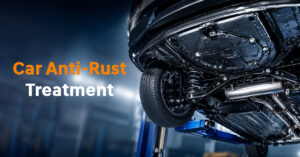
Anti-rust coating is a boon for car owners during the rainy season.
The monsoon season brings much-needed relief from the summer heat, but it also brings along moisture, mud, and grime that can damage your vehicle over time. Your car’s underbody and metallic parts are the most vulnerable areas of a car during this time.
Find below more about anti-rust coating for car.
Table of Contents
ToggleWhat is Anti-Rust Coating?
Anti-rust coating is a specially formulated chemical layer applied to the metal surfaces of a car, typically the underbody, wheel wells, door panels, and chassis. This coating forms a barrier that prevents moisture, water, and oxygen from coming into direct contact with metal, thereby preventing oxidation and rust formation.
Why Is Rust a Threat During Monsoon?
1. Increased Moisture in the Air
The constant presence of humidity in the air creates a perfect environment for rust. When metal comes into contact with both oxygen and water, it triggers oxidation, leading to rust.
2. Waterlogged Roads and Puddles
Driving over waterlogged roads or through puddles causes constant splashing of water onto the car’s underbody. Without protection, this moisture settles in crevices and causes rust formation.
3. Muddy Build-Up and Dirt Retention
Muck and sludge from roads tend to accumulate in the wheel wells, brake lines, and undercarriage. If not cleaned regularly, this layer traps moisture and increases the risk of corrosion.
4. Salt and Contaminants in Rainwater
Rainwater often contains salts, pollutants, and acidic elements. These compounds speed up the corrosion process, making it essential to shield the metal parts of the car.
Key Benefits of Anti-Rust Coating in Monsoon
1. Prevents Oxidation and Corrosion
The primary role of an anti-rust coating is to block the interaction of water and oxygen with your vehicle’s metal surfaces, thereby halting the oxidation process before it even begins.
2. Protects the Undercarriage
The car’s underbody is constantly exposed to mud, water, and grime. Anti-rust coating acts as a protective shield, preserving the integrity of the chassis, suspension, and exhaust system.
3. Improves Structural Longevity
Rust can weaken the structural framework of the car over time. Applying anti-rust treatment during monsoon helps retain your car’s strength and performance for longer.
4. Prevents Paint Bubbling and Peeling
When rust spreads beneath the paint surface, it causes bubbling and flaking. Anti-rust coating can help maintain your car’s exterior finish by blocking the spread of corrosion.
5. Reduces Maintenance Frequency
Vehicles without rust protection often require frequent touch-ups, underbody cleaning, and part replacements. With anti-rust coating, you reduce the need for such frequent maintenance.
6. Improves Safety
Rust-affected areas, especially near brake lines or suspension parts, can compromise driving safety. A protective coating ensures these parts remain solid and intact, even during wet conditions.
7. Enhances Resale Value
A car that is rust-free and well-maintained is likely to fetch a better resale value. Buyers and evaluators tend to inspect the underbody, wheel wells, and door panels when determining condition.
How Anti-Rust Coating Works?
1. Seals the Metal Surface
The coating creates a non-porous and rubberized layer over metal areas. It does not allow water or air to seep in, thereby preventing oxidation and rusting.
2. Repels Water
Most coatings are hydrophobic, meaning they repel water. This is especially useful in monsoon, where splashes and rain can damage the body.
3. Withstands Harsh Conditions
Good-quality anti-rust coating is designed to resist temperature fluctuations, road salts, debris, and mechanical wear, making it ideal for long-term use in Indian road conditions.
Car Areas Commonly Treated with Anti-Rust Coating
- Underbody
- Wheel Arches
- Inner Door Panels
- Engine Bay Components
- Trunk Interior and Boot Floor
- Chassis and Suspension Parts
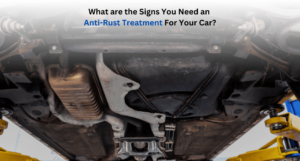
Signs Your Car Needs Anti-Rust Treatment
- Visible rust patches on the underbody or wheel wells
- Bubbling paint or peeling around doors and trunk
- Unusual noises or creaks from the underbody
- Corrosion near brake lines or the fuel tank
- Reduced vehicle performance or suspension issues
If you notice any of these, it’s time to consider a fresh layer of anti-rust protection.
Tips to Maintain Anti-Rust Coating During Monsoon
1. Get It Inspected Annually
Even high-quality coatings degrade over time. You must get it checked at least once a year, especially before monsoon season.
2. Avoid Parking on Wet Ground for Long
Water collects under the car and may reduce the effectiveness of the coating over time. Try to park away from water or raised platform during the rainy season.
3. Wash and Dry Regularly
Rinse off mud, rain, and grime at least once a week. After washing, dry the car thoroughly, especially around the undercarriage.
4. Use High-Pressure Cleaning for Underbody
Opt for high-pressure cleaning for wheel wells and underbody. This removes trapped dirt and prevents weakening of the coating.
5. Avoid Scraping Curbs or Speed Bumps
Frequent underbody impacts can cause the coating to chip. Drive carefully to maintain the integrity of the protective layer.
6. Reapply as Recommended
Most anti-rust coatings last about 12–24 months. Follow recommendations for reapplication to keep the protection consistent year after year.
FAQs About Anti-Rust Coating
Q1. When is the best time to apply anti-rust coating?
The best time to get this coating is before the onset of monsoon or during dry weather. This allows the coating to adhere properly and cure effectively.
Q2. Does anti-rust coating affect car performance?
Not at all. It only adds a thin protective layer to metal surfaces. It has no impact on performance, speed, or engine functionality.
Q3. Can a new car develop rust in the monsoon?
Yes. Even new cars can develop rust if they are driven extensively in wet conditions without protective coatings.
Q4. Is anti-rust coating permanent?
No. While durable, it is not permanent. It typically lasts 12 to 24 months, depending on driving habits, road conditions, and maintenance.
Q5. Will anti-rust coating work on already rusted surfaces?
It’s most effective as a preventive treatment. If rust is already present, it should be cleaned and treated before applying the coating.
Q6. How long does it take to apply anti-rust coating?
It usually takes a few hours, including drying time. Once applied, the vehicle is ready for use within the same day in most cases.
Q7. Is underbody rust the only concern during monsoon?
No. Other areas like the doors, boot floor, and wheel arches are also vulnerable and should be protected.
Monsoons can be tough on your vehicle, especially the exposed metallic parts. With continuous exposure to water, dirt, and chemicals on roads, rust can become a silent destroyer. Applying anti-rust coating offers a proactive solution to keep your car protected, safe, and in top condition throughout the rainy season.
Auto Car Repair – Multi-Brand Car Service Center
The reputed service center in Delhi NCR is known for its top-notch servicing and repairs. Its expert technicians are well-versed in the latest technology, modern tools, and advanced techniques. They are committed to delivering quality results, ensuring complete customer satisfaction.
Book your car service at Auto Car Repair today!
Visit Auto Car Repair Locations
Moti Nagar: 60 N G Road, Rama Rd, Moti Nagar, New Delhi, Delhi 110015
Okhla: G7JF+F87, Pocket W, Okhla Phase II, Okhla Industrial Estate, New Delhi, Delhi 110020
Noida: H-142, near Ananda Corporate Office, H Block, Sector 63, Noida, Uttar Pradesh 201301