Your car is a system of finely tuned components working together to deliver a safe, smooth, and efficient drive. But like any machine, regular wear and tear can cause performance issues over time.
Ignoring car repair needs can lead to serious mechanical failures, costly repairs, and safety risks. Addressing these issues on time ensures your car’s reliability and longevity.
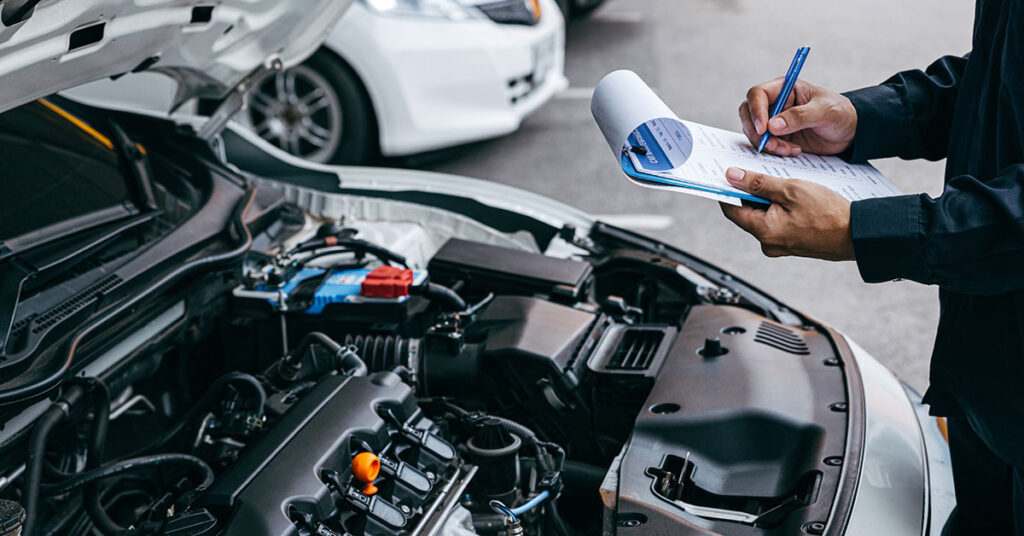
Find below the key car repair issues you must never ignore to keep your vehicle performing at its best.
Table of Contents
Toggle1. Engine Warning Lights and Unusual Sounds
One of the most critical signs your car needs attention is the engine warning light flashing on your dashboard. Many drivers tend to ignore it, assuming it’s a minor glitch, but it could indicate issues such as:
- Faulty sensors
- Misfiring cylinders
- Low oil pressure
- Catalytic converter failure
Ignoring these warnings can cause your engine to overheat or stall, leading to severe damage.
Unusual engine sounds, such as knocking, hissing, or grinding, should never be ignored. These noises may point to issues with the timing belt, bearings, or exhaust system.
If your car’s engine light is on or you hear any unusual noise, get your car’s engine scanned by a professional to diagnose the issue.
2. Low Engine Oil and Fluid Leaks
Engine oil lubricates, cools, and protects the car engine. Running low on oil or ignoring oil leaks can lead to friction, overheating, and even complete engine seizure.
Common signs of oil or fluid leaks include:
- Oil spots under your parked car
- Burning oil smell
- Smoke from the exhaust
In addition to engine oil, you should regularly check other fluids like coolant, transmission oil, brake fluid, and power steering fluid. A leak in any of these systems can drastically impact performance and safety.
Follow the manufacturer’s recommended schedule for oil changes and fluid top-ups. If not, it can lead to major car repair issues resulting in compromised performance and safety.
3. Brake Noise or Reduced Stopping Power
Your car’s braking system is vital for your safety. If you hear a squealing or grinding sound when braking, it’s a sign of worn-out brake pads or rotors. Ignoring this can lead to complete brake failure, putting you and others at risk.
Common brake-related issues include:
- Spongy or unresponsive brake pedal
- Vibration while braking
- Car pulling to one side
Prompt brake inspection and repair ensure optimal stopping power and prevent costly damage to other components like the rotors and calipers.
You must get your brakes inspected every 10,000–15,000 km, especially if you drive frequently in city traffic. This helps in assessing any car repair needs early on, preventing severe damage and high costs.
4. Overheating or Coolant Leaks
An overheating engine is a warning that something is wrong with your car’s cooling system. It might be due to:
- Low coolant levels
- Leaking radiator
- Faulty thermostat
- Broken water pump
Driving an overheated car can cause your engine to warp or crack leading to one of the most expensive car repairs.
If you notice the temperature gauge rising, pull over immediately, turn off the engine, and wait for it to cool down before calling for assistance.
5. Battery and Electrical Issues
A weak or dead battery can leave you stranded without warning. Warning signs include:
- Slow engine crank
- Flickering headlights
- Dashboard lights dimming
- Clicking sound when starting
These could mean your battery terminals are corroded, the alternator is failing, or your car battery is nearing its end of life.
Ignoring battery health can affect your vehicle’s electronics, from infotainment to ignition systems. Therefore, book car repair and maintenance regularly to ensure smooth and safe rides.
6. Uneven Tyre Wear or Wheel Alignment Problems
Tyres play a huge role in your vehicle’s stability and fuel efficiency. If you notice uneven tread wear, vibrations, or pulling to one side, your wheel alignment or suspension might be off.
Ignoring alignment issues can lead to:
- Poor handling
- Reduced fuel efficiency
- Faster tyre wear
- Stress on suspension components
You must get wheel alignment and balancing done every 5,000–7,000 km for a smoother and safer drive.
7. Suspension and Steering Issues
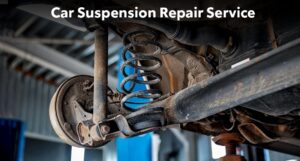
Your car’s suspension ensures a smooth and stable ride. But if you experience excessive bouncing, clunking noises, or loose steering, it could mean worn-out shocks, struts, or suspension bushings.
Ignoring suspension can also impact braking and steering control. Get your car suspension system inspected every 20,000 km or sooner if you often drive on rough roads.
8. Exhaust System or Emission Problems
A damaged exhaust system can make your car louder, reduce performance, and harm the environment.
Common signs of exhaust trouble include:
- Reduced fuel efficiency
- Rattling noises from underneath the car
- Strong smell of exhaust fumes inside the cabin
Ignoring exhaust leaks can lead to toxic carbon monoxide entering your car’s cabin posing a serious health risk.
Regular inspection of car exhaust system and catalytic converter for leaks, corrosion, or blockages can prevent costly car repair in the long term.
9. Transmission Slipping or Delayed Gear Shifts
The transmission system is responsible for transferring power from your engine to the wheels. If you notice:
- Delayed or rough gear shifts
- Burning smell
- Transmission fluid leaks
It’s time for immediate inspection!
Ignoring transmission problems can cause total gearbox failure, leading to one of the most expensive car repairs.
Also, always use the correct transmission fluid and follow the periodic service intervals recommended by your car manufacturer.
10. Strange Vibrations or Steering Pull
If your car vibrates excessively or the steering wheel pulls to one side, it may be due to:
- Unbalanced tyres
- Damaged suspension components
- Bent rims
- Worn-out wheel bearings
While these may seem minor, they can impact control and lead to unsafe driving conditions.
Get a complete diagnostic check at a trusted workshop to detect the root cause early and prevent further damage.
Your car’s health directly affects your driving experience and safety. From the brakes to the engine, every component needs care and timely attention. Ignoring minor car repair issues can quickly turn them into major expenses and compromise your vehicle’s reliability.
Frequently Asked Questions (FAQs)
Q1. What are the most common car repair issues in Delhi NCR?
Common issues include engine oil leaks, brake pad wear, wheel alignment problems, and AC malfunctions, all of which can affect performance and comfort.
Q2. How often should I service my car to avoid major repairs?
You should get your car serviced every 10,000 km or 6 months, whichever comes first. Regular maintenance helps detect and fix minor problems early.
Q3. Can ignoring minor car repairs cause bigger problems later?
Yes, neglecting minor issues like oil leaks or brake noise can lead to major damage and expensive car repairs over time.
Q4. How can I tell if my car needs immediate attention?
Watch for warning lights, unusual noises, burning smells, or changes in handling. These signs often indicate a deeper problem that needs urgent inspection.
Q5. Why choose a professional car repair workshop instead of a local mechanic?
Professional workshops like Auto Car Repair use certified equipment, OEM-quality parts, and skilled technicians to ensure lasting performance and reliability.
Auto Car Repair – Multi-Brand Car Service Center
At Auto Car Repair, expert technicians use OEM-grade parts, advanced diagnostic tools, and professional care to keep your car in peak condition. Whether it’s a small repair or a complete overhaul, your car gets the attention it deserves.
Book your car repair and maintenance service at Auto Car Repair today!
Visit Auto Car Repair Locations
Moti Nagar: 60 N G Road, Rama Rd, Moti Nagar, New Delhi, Delhi 110015
Okhla: G7JF+F87, Pocket W, Okhla Phase II, Okhla Industrial Estate, New Delhi, Delhi 110020
Noida: H-142, near Ananda Corporate Office, H Block, Sector 63, Noida, Uttar Pradesh 201301
Visit Our Social Profile for more information!