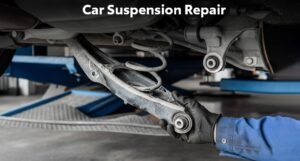
A car suspension system is the mechanism that connects your car to its wheels, absorbing shocks from the road. It ensures stability, comfort, and proper control while driving.
Regular car suspension repair and maintenance are essential not only for a smooth driving experience but also to prevent major mechanical damage.
Find below how timely suspension repair protects your vehicle from larger problems, reduces repair costs, and improves overall driving safety.
1. Prevents Excessive Tyre Wear
One of the earliest signs of suspension issues is uneven tyre wear. When components such as shock absorbers, struts, or control arms start to wear out, they affect wheel alignment and weight distribution.
If left unattended:
- Tyres may wear out faster on one side.
- You may need frequent tyre replacements.
- Road grip may be reduced significantly.
Regular suspension inspection ensures proper wheel alignment and even weight distribution, extending tyre life and preventing unnecessary tyre expenses.
2. Protects Steering Components from Damage
Your suspension system works closely with the steering system. If suspension parts become worn or loose, they place additional stress on steering components such as tie rods and ball joints.
Ignoring suspension problems can lead to:
- Loose steering response
- Vibrations in the steering wheel
- Complete steering component failure in severe cases
Routine car suspension repair helps maintain steering precision and prevents damage that could otherwise lead to costly steering overhauls.
3. Reduces Stress on the Braking System
Many drivers do not realize that suspension issues can directly impact braking performance. A worn suspension system affects weight transfer during braking, reducing stopping efficiency.
Potential risks include:
- Increased stopping distance
- Uneven brake pad wear
- Reduced control during sudden braking
Regular suspension maintenance ensures that your vehicle maintains proper road contact, allowing the braking system to function effectively and safely.
4. Prevents Damage to the Chassis and Frame
The suspension system absorbs shocks from potholes, speed breakers, and uneven roads. If shock absorbers or struts are worn out, the impact is transferred directly to the vehicle’s chassis and frame.
Over time, this can cause:
- Structural stress
- Cracks in mounting points
- Misalignment of components
By maintaining suspension components, you protect the structural integrity of your vehicle and avoid major body repairs.
5. Avoids Transmission and Drivetrain Strain
Suspension problems can increase strain on drivetrain components in vehicles with front-wheel or rear-wheel drive systems. Uneven suspension affects axle alignment, which can lead to:
- CV joint wear
- Axle damage
- Transmission strain
Regular inspection and timely replacement of worn suspension parts help prevent drivetrain complications that are significantly more expensive to repair.
6. Prevents Oil Leaks from Shock Absorbers
Shock absorbers contain hydraulic fluid that helps absorb road impact. Over time, seals may weaken, leading to oil leakage.
If ignored:
- The shocks lose their damping ability.
- The car begins to bounce excessively.
- Other suspension components experience extra stress.
Replacing worn shocks early prevents further system damage and ensures smooth vehicle handling.
7. Improves Vehicle Stability and Handling
A properly functioning suspension system ensures consistent tyre contact with the road surface. When suspension parts wear out, stability decreases.
This can result in:
- Body roll during turns
- Reduced grip on wet roads
- Poor handling at higher speeds
Routine suspension repair enhances road stability, minimizing the risk of accidents and protecting other vehicle systems from damage.
8. Prevents Damage from Potholes and Rough Roads
Suspension systems are exposed to constant stress on uneven roads. Potholes, rough patches, and speed breakers accelerate wear and tear.
If suspension components are already weak:
- A single pothole impact can cause serious damage.
- Wheel alignment may shift suddenly.
- Suspension arms or mounts may crack.
Regular inspections help identify early signs of weakness, preventing sudden breakdowns caused by road impact.
9. Saves Money in the Long Run
Many car owners delay car suspension repairs to avoid short-term expenses. However, ignoring minor issues often leads to major damage involving multiple components.
For example:
- A worn shock absorber can damage tyres.
- Misaligned suspension can affect steering parts.
- Poor suspension can reduce braking efficiency.
Timely repairs are always more cost-effective than complete system replacements. Regular servicing reduces the risk of unexpected and expensive breakdowns.
10. Enhances Driving Comfort
Suspension systems are designed to absorb road shocks and vibrations. When parts wear out, you may experience:
- Excessive bouncing
- Loud clunking noises
- Harsh ride quality
Routine car suspension repair restores ride comfort and ensures a smooth driving experience for both the driver and passengers.
11. Extends Overall Vehicle Lifespan
Every vehicle component is interconnected. A neglected suspension system gradually affects tyres, steering, brakes, chassis, and drivetrain.
By maintaining your suspension:
- You reduce strain on connected systems.
- You maintain proper alignment.
- You improve overall vehicle longevity.
Regular suspension repair is about preserving the health of the entire vehicle.
12. Ensures Safer Driving Conditions
Safety should always be the top priority. A faulty suspension system compromises vehicle balance and control, especially during emergency maneuvers.
Regular maintenance ensures:
- Better road grip
- Controlled braking
- Stable cornering
- Improved handling in wet conditions
A well-maintained suspension system reduces the risk of accidents and keeps both passengers and other road users safe.
When Should You Get Your Suspension Checked?
You should schedule a suspension inspection if you notice:
- Uneven tyre wear
- Car pulling to one side
- Excessive bouncing after bumps
- Clunking or knocking noises
- Steering vibration
- Poor braking stability
Even if you do not notice visible symptoms, it is advisable to include suspension checks during routine servicing.
Regular car suspension repair is a preventive measure that protects your vehicle from costly mechanical damage. Suspension maintenance improves safety, enhances comfort, extends vehicle life, and saves money in the long run.
Investing in regular suspension servicing is a smart decision that prevents major damage and keeps your vehicle performing at its best.
Get the best car suspension repair cost at Auto Car Repair!
Frequently Asked Questions (FAQs)
1. How often should I get my car suspension checked?
It is recommended to inspect the suspension system during regular servicing or every 10,000–15,000 kilometers, depending on road conditions.
2. What are the common signs of suspension damage?
Uneven tyre wear, excessive bouncing, steering vibrations, clunking noises, and poor braking stability are common indicators.
3. Can driving with bad suspension damage other car parts?
Yes. It can lead to tyre wear, steering component damage, braking inefficiency, and even drivetrain strain.
4. Is suspension repair expensive?
Minor repairs, such as replacing shocks or bushings, are relatively affordable. Ignoring issues, however, can lead to expensive multi-component damage.
5. Does suspension repair improve fuel efficiency?
Proper suspension alignment reduces rolling resistance and uneven tyre wear, which can indirectly improve fuel efficiency.
Auto Car Repair is a multi-brand car service center that offers a wide range of high-quality car services and repairs. Their expert technicians provide reliable solutions after performing advanced diagnostics. They use OEM parts and top-quality products to maintain reliability and safety.
Book your car service at Auto Car Repair today!