A small scratch or dent may look like a cosmetic problem, but the damage can become more serious when it cuts through the protective paint layers and exposes the metal underneath. Once bare metal comes into contact with moisture, oxygen, road grime and other contaminants, corrosion can begin.
Professional Car Denting Painting does more than improve the appearance of a damaged panel. When technicians correctly repair the dent, remove corrosion, prepare the surface, apply suitable primer and restore the paint layers, the process helps protect the underlying metal from further exposure.
This becomes particularly relevant for cars driven regularly in Delhi NCR, where dust, rainwater, road debris and everyday traffic can contribute to body damage.
Find below how denting and painting protects the metal can help you decide when a scratch or dent needs professional attention.
Why Does Exposed Car Metal Start to Corrode?
A vehicle’s paint system acts as a protective barrier between the metal body and the surrounding environment. Modern automotive finishes generally involve multiple layers, which may include primer, base coat and clear coat.
A light mark that affects only the clear coat may not expose the metal. However, a deeper scratch, stone chip, scrape or accident-related dent can damage several paint layers.
Once the metal becomes exposed, moisture and oxygen can reach the surface. This can trigger oxidation and eventually lead to rust on susceptible metal components.
The risk can increase when the damaged area repeatedly encounters water, mud and road contaminants.
How Does Car Denting Painting Help Prevent Corrosion?
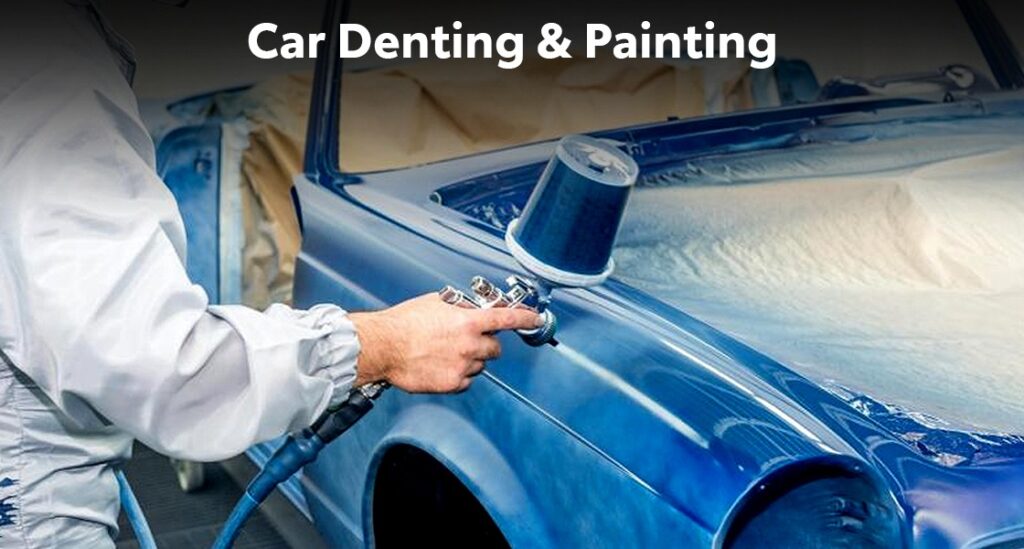
Professional Car Denting Painting restores the damaged body panel and rebuilds the protective surface over the affected area.
The process usually starts with an inspection. Technicians determine the extent of the dent, check the paint damage and look for exposed metal or existing corrosion.
They then repair the damaged area and prepare it for refinishing. Depending on the condition of the panel, the process can involve dent correction, sanding, corrosion removal, filler application, primer, colour coating and clear coating.
Each stage serves a different purpose. Dent repair restores the panel shape, while surface preparation creates a suitable foundation for the refinishing materials. Primer and paint then help isolate the underlying surface from environmental exposure.
Therefore, proper corrosion protection depends on the complete repair process rather than simply applying fresh paint over the damaged area.
Why Is Surface Preparation Important Before Painting?
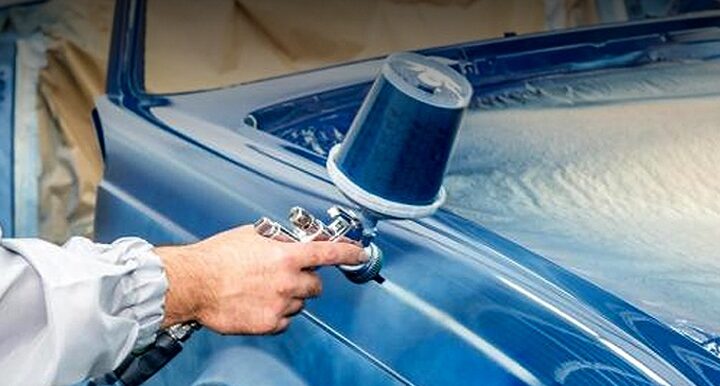
Surface preparation plays a major role in the durability and appearance of a body repair.
Painting directly over dirt, rust, loose paint or an improperly prepared surface can compromise the final finish. Even good-quality refinishing materials depend on proper preparation.
Technicians may clean the repair area to remove dirt, grease, wax and other contaminants. They can then sand the affected section to remove loose material and create a suitable surface for subsequent layers.
If corrosion has already started, technicians need to address the affected material before refinishing the panel. Simply covering visible rust with paint does not properly resolve the underlying problem.
Correct preparation helps the primer and paint layers adhere properly while creating a smoother and more consistent finish.
What Role Does Primer Play in Corrosion Protection?
Primer creates an important intermediate layer between the prepared substrate and the colour coat.
Depending on the repair system and material being treated, the appropriate automotive primer can support adhesion, provide a uniform foundation for refinishing and contribute to corrosion protection.
Technicians must apply the correct product according to the repair requirements. They also need to follow suitable preparation, application and curing procedures.
Primer should not be treated as a substitute for removing active corrosion. If rust remains underneath the repair, covering it alone may not stop deterioration from continuing.
A systematic Car Denting Painting process therefore addresses the condition of the metal before rebuilding the protective coating.
Why Should Existing Rust Be Treated Before Repainting?
Rust can continue to spread beneath a painted surface if technicians fail to address it correctly.
When a damaged panel already shows signs of corrosion, the workshop first needs to determine how extensive the problem is. Light surface corrosion may require cleaning and preparation, while more severe deterioration can require additional repair or, in some cases, panel replacement.
Painting directly over rust may temporarily hide the visible problem, but it does not provide a reliable long-term repair.
Professional technicians remove or appropriately treat the affected area before applying the required refinishing layers. This approach helps create a sound surface for the new coating and reduces the risk of corrosion quickly returning beneath the repaired area.
Can Small Scratches Lead to Rust?
Yes, sufficiently deep scratches can expose the metal beneath the paint.
Not every scratch creates the same risk. A superficial mark may affect only the upper clear coat, while a deeper scratch can penetrate the colour, primer and protective layers.
You can often see a visible difference between a light surface mark and a deeper chip or scratch, but visual inspection alone may not always reveal the full extent of the damage.
If you notice exposed metal, chipped paint around a dent or early signs of rust, consider getting the area professionally inspected.
Repairing a small damaged section before corrosion spreads can be simpler than dealing with a larger affected area later.
How Do Dents Increase the Risk of Paint Damage?
A dent changes the shape of a body panel and can also stress the paint covering it.
Depending on the force and location of the impact, the paint may crack, chip or separate around the dent. Parking incidents, minor collisions, contact with pillars and road debris can all produce this type of damage.
Even when the dent itself looks minor, examine the surrounding paint carefully. Cracked or chipped paint can allow moisture to reach the underlying surface.
During Car Denting Painting, technicians assess both the panel shape and the paint condition so they can determine whether dent correction alone is sufficient or the area also requires refinishing.
Why Does Proper Paint Application Matter?
A properly applied refinishing system restores the coating over the prepared surface and helps protect it from environmental exposure. The colour coat restores the required appearance, while the clear coat provides an additional protective outer layer and contributes to gloss.
Technicians also need to follow the recommended drying or curing process for the refinishing materials they use.
Poor application can create problems such as uneven coverage, poor adhesion, visible sanding marks, peeling or premature deterioration. These issues can affect both appearance and the durability of the repair.
Does the Clear Coat Help Protect the Repaired Area?
Yes. The clear coat forms the outermost layer of many automotive paint systems.
It helps protect the colour coat against environmental exposure and contributes to the final gloss and finish. It also provides resistance against factors such as UV exposure and minor surface contamination, although it cannot make the panel immune to scratches or physical damage.
During professional Car Denting Painting, technicians apply the required refinishing layers to restore both the appearance and protective coating of the repaired section.
The quality of the result depends on correct preparation, compatible materials and proper application.
Which Areas of a Car Are More Likely to Develop Corrosion After Damage?
Any area where susceptible metal becomes exposed can potentially develop corrosion, but some sections experience more frequent environmental exposure.
Lower door areas, wheel arches, fenders and lower body panels regularly encounter water, mud and road debris. Bonnet edges can receive stone chips, while doors and bumpers frequently suffer parking-related scratches and dents.
Panel joints and edges also deserve attention because trapped moisture can make deterioration harder to notice.
Remember that many modern vehicles use different materials across their body construction. The type and behaviour of corrosion can therefore vary according to the panel material. A professional inspection helps determine the appropriate repair method.
Can You Simply Touch Up Exposed Metal?
Touch-up paint may help with certain very small chips, but it does not replace proper body repair when the damage is deeper, larger or already showing corrosion.
The appropriate solution depends on the size and depth of the damage, the panel material and the condition of the surrounding coating.
A small stone chip and a dent with cracked paint require different approaches. Similarly, an area with existing rust requires more preparation than an uncomplicated paint chip.
If you are unsure, a professional inspection can determine whether the damage needs a minor touch-up, local refinishing or a more complete Car Denting Painting repair.
Can Car Denting Painting Protect Exposed Metal from Corrosion?
Yes, Car Denting Painting can help protect exposed metal from corrosion when technicians follow the correct repair and refinishing process.
The key lies in treating the damaged surface rather than simply covering it with fresh paint. Technicians should identify corrosion, prepare the affected area, repair the dent, use suitable primers and rebuild the required paint layers.
Once properly restored, these layers help create a barrier between the underlying metal and external elements such as moisture and road contaminants.
However, no paint repair makes a vehicle permanently immune to future corrosion. New chips, scratches or physical damage can compromise the coating again, so regular inspection remains important.
Book your car inspection at Auto Car Repair today!
FAQs
1. Should I repair a scratch if I can see bare metal?
Yes. If a scratch has penetrated the paint layers and exposed susceptible metal, moisture and oxygen can reach the surface and increase the risk of corrosion. Get the damage inspected to determine whether it requires touch-up work, local refinishing or a more extensive repair.
2. Can painting directly over rust stop corrosion?
Simply covering visible rust with paint does not provide a proper repair. Technicians should first assess and address the corrosion, prepare the surface and then apply the appropriate refinishing system. The exact process depends on the severity of the corrosion and the panel condition.
3. Does every car dent require repainting?
No. Some dents may leave the paint intact and may be suitable for other repair methods. If the impact cracks, chips or removes paint, however, refinishing may become necessary. A technician can inspect the damage and recommend the appropriate repair approach.
4. How soon should I repair chipped paint?
Consider prompt inspection when a chip exposes the underlying metal, particularly if the vehicle frequently encounters rain or moisture. Early attention can help prevent the affected area from developing more extensive corrosion and requiring additional surface preparation later.
5. Where can I find Car Denting Painting Near Me in Delhi NCR?
Choose a workshop that inspects the damage before recommending repairs and follows a systematic process for dent correction, surface preparation, corrosion treatment and refinishing. Auto Car Repair provides professional car body repair services across Delhi NCR for dents, scratches and damaged paint.
Restore Damaged Panels at Auto Car Repair
Do not let exposed metal remain unprotected after a dent, scratch or paint chip.
Visit Auto Car Repair for a professional body inspection and Car Denting Painting service. Our team assesses the damaged panels, identifies the required repair and explains the process before work begins.
Contact Auto Car Repair today to restore your car’s finish and protect damaged body panels from further environmental exposure.
| Showroom Location | Address | Call/Whatsapp Number | Nearby Locations |
| Moti Nagar | 57, Rama Rd, Block C, Najafgarh Road Industrial Area, New Delhi, Delhi, 110015 | 098704 00861 | Ramesh Nagar, Punjabi Bagh, Rajouri Garden, Mayapuri, Kirti Nagar, Janakpuri, Sudarshan Park, Chand Nagar, ESI, |
| Gurugram | Unit-1 Plot No 29 & 30, near, Kargil Shaheed Sukhbir Singh Yadav Marg, Info Technology Park, Sector 34, Gurugram, Haryana 122004 | 098104 46692 | Sec 37 Gurugram, Sec 37B Gurugram, Sec 72A Gurugram, Sec 74 Gurugram, Sec 35 Gurugram, Sec 36 Gurugram, |
| Noida | H-142, near Ananda Corporate Office, H Block, Sector 63, Noida, Uttar Pradesh 201309 | 097739 94175 | Noida 63, Noida 62, Noida 65, Noida 66, Gaur City 2, Indirapuram, |
| Okhla | ACR Automobiles Plot No. 1 – 8, DSIDC Sheds, Okhla Phase 2, New Delhi, 110020 | 092892 00643 | Okhla Phase 2, Sarita Vihar, Jasola Vihar, Govindpuri, Okhla Nsic, Nehru Palace, |