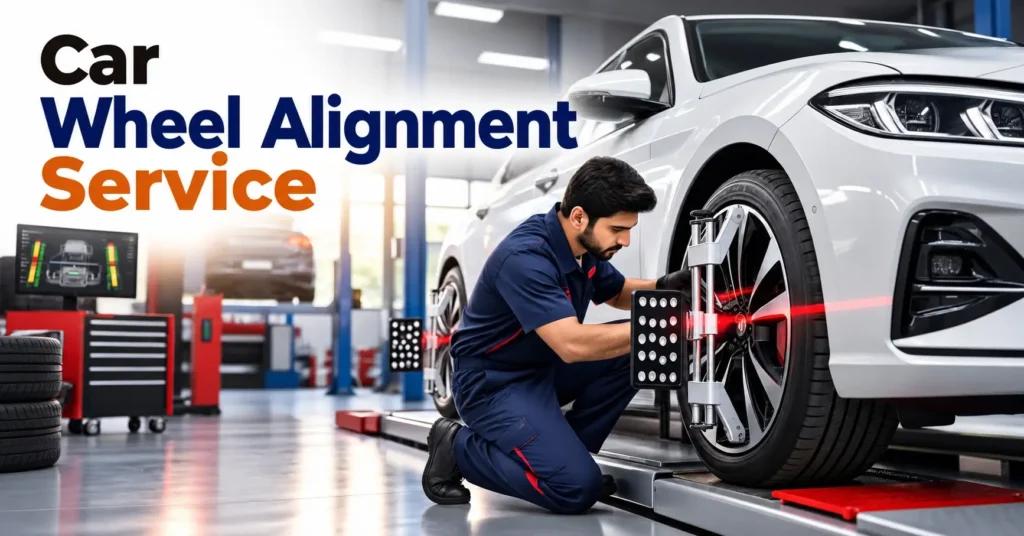
Maintaining a car involves more than regular engine servicing, oil changes and brake inspections.
Many drivers overlook wheel alignment until they notice uneven tyre wear, steering problems or reduced driving comfort. However, incorrect wheel alignment can gradually increase vehicle maintenance expenses and affect everyday driving performance.
Delhi NCR roads expose vehicles to potholes, uneven surfaces, speed breakers and frequent stop-and-go traffic. These conditions can affect wheel alignment over time, leading to premature tyre wear and changes in steering behaviour.
Proper car wheel alignment helps maintain the correct wheel angles according to manufacturer specifications. It supports even tyre wear, stable handling and efficient vehicle operation. More importantly, timely alignment checks can help drivers avoid unnecessary tyre replacement and additional maintenance expenses.
Find below how regular wheel alignment can reduce long-term ownership costs.
What Is Car Wheel Alignment and Why Is It Important?
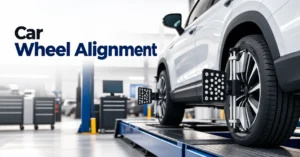
Car wheel alignment involves measuring and adjusting the angles of a vehicle’s wheels according to manufacturer specifications. Correct alignment helps the tyres maintain their intended contact with the road while supporting stable steering and handling.
Professional technicians assess three important alignment angles:
1. Camber: The inward or outward tilt of the wheels when viewed from the front. Incorrect camber can cause excessive wear along the inner or outer tyre edges.
2. Toe: The direction in which the wheels point relative to the vehicle’s centreline. Incorrect toe settings can cause tyres to scrub against the road surface, accelerating tread wear.
3. Caster: The angle of the steering axis when viewed from the side. Caster influences steering stability and the steering wheel’s ability to return towards the centre.
Not every vehicle allows adjustments to all three angles. Technicians measure the available settings and make necessary corrections based on the vehicle’s design.
Proper alignment supports smoother driving, consistent tyre wear and predictable steering response.
How Can Proper Car Wheel Alignment Reduce Long-Term Maintenance Costs?
1. Prevents Premature Tyre Replacement
Incorrect wheel alignment can accelerate tyre wear and force drivers to replace tyres earlier than expected.
When wheels point in the wrong direction, tyres may scrub against the road instead of rolling smoothly. This additional friction causes uneven tread wear.
Common signs include excessive wear along the inner or outer tyre edges, feathered tread patterns and noticeable differences in tyre condition.
For example, a driver who regularly travels between Delhi and Gurugram may notice that one front tyre wears faster than the other. Incorrect alignment could contribute to this problem.
Professional car wheel alignment helps identify incorrect wheel angles before they cause extensive damage. Timely corrections can extend usable tyre life and delay replacement expenses.
2. Helps Maintain Fuel Efficiency
Incorrect wheel alignment can increase rolling resistance, particularly when excessive toe misalignment causes tyres to scrub against the road.
The engine may need to work harder to overcome this additional resistance, potentially increasing fuel consumption.
Proper wheel alignment helps tyres roll in their intended direction and reduces unnecessary friction caused by incorrect wheel angles.
However, actual fuel savings depend on the severity of misalignment, tyre condition, road conditions and driving habits.
Drivers should combine proper alignment with recommended tyre pressure, scheduled servicing and smooth driving habits to maintain fuel efficiency.
3. Supports Steering System Performance
The steering system works with the suspension and tyres to maintain directional control.
Incorrect alignment can cause a vehicle to pull towards one side or require frequent steering corrections.
Although misalignment does not automatically damage steering components, unusual steering behaviour may indicate problems with related mechanical parts.
During an alignment inspection, technicians may examine tie rods, ball joints, steering linkages and suspension bushes.
Identifying worn or damaged components early helps drivers arrange necessary repairs before the problem becomes more serious.
Proper alignment also supports predictable steering response, making everyday driving more comfortable.
4. Helps Identify Suspension Problems Early
Potholes and uneven roads can affect suspension components and alter wheel alignment settings.
A strong impact may bend or damage certain parts, making it difficult to maintain correct wheel angles.
Professional alignment equipment can reveal unusual measurements that suggest underlying suspension problems.
For example, a damaged control arm may prevent technicians from adjusting the wheel angles within the recommended range.
Identifying this issue early allows drivers to arrange appropriate repairs before continued driving causes additional tyre wear.
Regular inspections are particularly useful after hitting deep potholes, striking kerbs or experiencing noticeable changes in steering behaviour.
5. Reduces Repeated Tyre-Related Expenses
Some drivers replace worn tyres without identifying the reason behind the damage.
If incorrect alignment caused the original wear, the replacement tyres may develop similar problems.
This can result in repeated tyre replacement, additional inspections and unnecessary workshop visits.
For example, if the inner edges of both front tyres wear excessively, installing new tyres without checking alignment may not solve the underlying problem.
A professional inspection helps identify whether incorrect wheel angles, tyre pressure or suspension components are responsible.
Correcting the actual cause before installing replacement tyres helps protect the new set from avoidable wear.
This preventive approach can reduce repeated maintenance expenses.
6. Maintains Better Road Grip and Driving Stability
Tyre condition plays an important role in vehicle handling and road grip.
Incorrect alignment can contribute to uneven tread wear, reducing usable tread depth in certain areas.
As tyres develop irregular wear patterns, drivers may notice changes in steering response and handling.
Proper car wheel alignment supports more consistent tyre wear and predictable vehicle behaviour.
This becomes especially important during Delhi’s monsoon season, when wet roads demand adequate tyre tread and careful driving.
Correct alignment does not replace proper tyre maintenance, but it helps preserve tyre condition and reduce avoidable wear.
7. Supports Long-Term Vehicle Maintenance
Regular wheel alignment checks form part of a preventive vehicle maintenance routine.
They help drivers identify alignment-related tyre wear and potential steering or suspension concerns before these problems become more expensive.
Preventive inspections can help reduce unnecessary maintenance expenses for owners planning to keep their vehicles for several years.
Maintaining tyres, suspension and steering components also contributes to a more comfortable driving experience.
What Are the Warning Signs That Your Car Needs Wheel Alignment?
Recognising alignment-related symptoms early can help prevent additional tyre damage.
1. Vehicle Pulling to One Side
If your car consistently pulls left or right on a reasonably level road, incorrect alignment may be one possible cause.
Unequal tyre pressure, tyre defects and brake problems can produce similar symptoms, so professional inspection is important.
2. Uneven Tyre Wear
Excessive wear along the inner or outer tyre edges may indicate incorrect camber or toe settings.
Drivers should inspect tyre tread regularly and arrange an alignment check if unusual wear develops.
3. Off-Centre Steering Wheel
If the steering wheel appears tilted while the vehicle travels straight, the alignment or steering setup may require attention.
4. Unstable Steering Response
A vehicle that wanders or requires frequent steering corrections may have alignment, tyre or suspension problems.
5. Changes After Hitting a Pothole
A strong pothole impact can affect wheel angles or damage suspension components.
If you notice unusual steering behaviour after an impact, arrange an inspection promptly.
How Often Should You Get Car Wheel Alignment Checked?
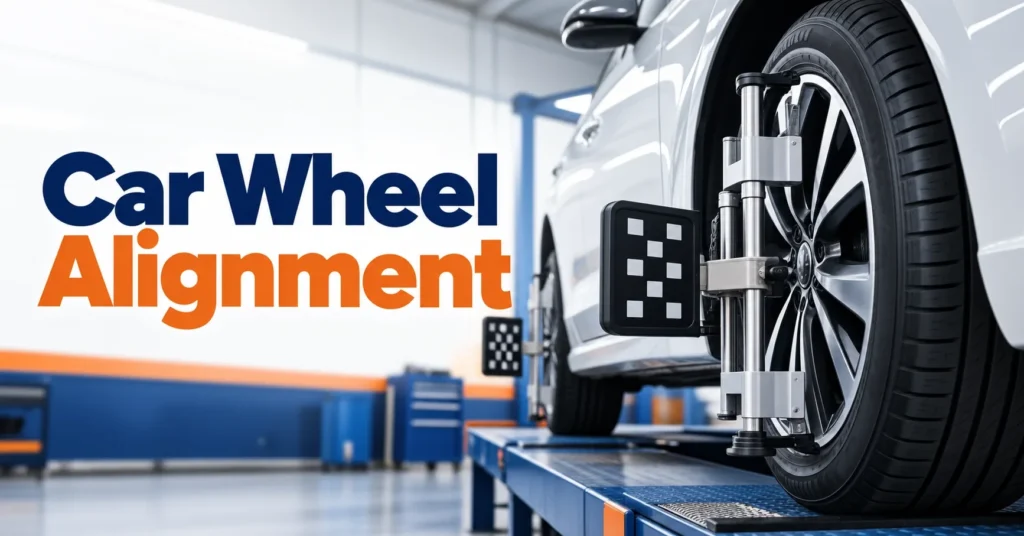
The appropriate wheel alignment inspection frequency depends on manufacturer recommendations, driving conditions and vehicle usage.
Checking alignment during periodic maintenance or tyre inspections can be a practical preventive measure for Delhi NCR drivers.
You should also consider an inspection when:
- Your vehicle develops uneven tyre wear.
- The steering wheel appears off-centre.
- Your car consistently pulls towards one side.
- You hit a deep pothole or kerb.
- You replace tyres that previously showed irregular wear.
- You notice unusual steering or handling behaviour.
Installing new tyres does not automatically require alignment adjustments. Technicians should first measure the wheel angles and recommend corrections only when necessary.
Can Wheel Alignment Save More Money Than It Costs?
Proper car wheel alignment can provide financial benefits when it prevents premature tyre wear or helps identify mechanical problems early.
Consider a vehicle that develops incorrect toe alignment after hitting a pothole. If the driver continues using the vehicle, the tyres may experience excessive scrubbing and wear out sooner.
A timely alignment inspection and correction could help prevent premature tyre replacement.
The potential savings depend on the severity of misalignment, tyre condition, vehicle mileage and required repairs.
The primary financial benefit comes from identifying and correcting actual alignment problems before they lead to additional expenses.
How Can Delhi NCR Drivers Maintain Proper Wheel Alignment?
Drivers can follow simple habits to protect their tyres and suspension components.
1. Drive Carefully Over Potholes: Reduce speed when approaching damaged roads and avoid sudden impacts whenever possible.
2. Cross Speed Breakers Slowly: Slow down before crossing speed breakers to minimise unnecessary suspension stress.
3. Maintain Correct Tyre Pressure: Follow the manufacturer’s recommended tyre pressure to support even wear and stable handling.
4. Inspect Tyres Regularly: Look for unusual tread patterns, sidewall damage and excessive wear.
5. Avoid Hitting Kerbs: Take care while parking and turning in narrow spaces.
6. Follow Tyre Rotation Recommendations: Rotate tyres according to manufacturer guidelines to help manage normal wear patterns.
7. Check Alignment After Strong Impacts: Arrange an inspection if steering behaviour changes after hitting a pothole.
These preventive habits can help maintain tyre condition and reduce unnecessary maintenance expenses.
Frequently Asked Questions
1. Can proper car wheel alignment reduce tyre replacement costs?
Yes, proper car wheel alignment repair can reduce tyre replacement costs by preventing excessive wear caused by incorrect wheel angles. When tyres roll in their intended direction, they experience less unnecessary scrubbing against the road. Timely alignment corrections can help extend tyre life and reduce premature replacement expenses.
2. How often should I get car wheel alignment checked in Delhi?
The appropriate frequency depends on manufacturer recommendations, driving conditions and vehicle usage. Delhi NCR drivers should consider alignment inspections during periodic maintenance, after significant pothole impacts or when uneven tyre wear develops. Regular checks help identify incorrect wheel angles before they cause additional tyre damage.
3. Can incorrect wheel alignment increase fuel consumption?
Yes, incorrect wheel alignment can increase rolling resistance, particularly when excessive toe misalignment causes tyres to scrub against the road. This additional resistance may increase fuel consumption. Correcting alignment helps tyres roll more efficiently, although actual fuel savings depend on the severity of misalignment and driving conditions.
4. Should I get wheel alignment after installing new tyres?
An alignment check is advisable when installing new tyres, especially if the previous tyres showed uneven wear or the vehicle has steering problems. However, tyre replacement alone does not always require adjustments. Technicians should measure the wheel angles and recommend corrections only when readings fall outside manufacturer specifications.
5. How do I choose a reliable wheel alignment near me?
When searching for Wheel Alignment Near Me, choose a workshop with trained technicians, suitable computerised equipment and clear service procedures. A reliable service centre should inspect tyre and suspension conditions, measure wheel angles according to manufacturer specifications and explain any necessary adjustments before starting the work.
Book Professional Car Wheel Alignment at Auto Car Repair
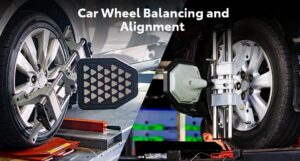
If you are searching for Wheel Alignment Near Me, visit Auto Car Repair for professional wheel alignment and balancing services.
Maintain smoother handling, better tyre condition and predictable steering performance with professional Car Wheel Alignment services at Auto Car Repair in Delhi. Our experienced technicians inspect wheel angles, assess tyre wear and recommend suitable adjustments according to your vehicle’s requirements.
Book your car service appointment at Auto Car Repair today!
| Showroom Location | Address | Call/Whatsapp Number | Nearby Locations |
| Moti Nagar | 57, Rama Rd, Block C, Najafgarh Road Industrial Area, New Delhi, Delhi, 110015 | 098704 00861 | Ramesh Nagar, Punjabi Bagh, Rajouri Garden, Mayapuri, Kirti Nagar, Janakpuri, Sudarshan Park, Chand Nagar, ESI, |
| Gurugram | Unit-1 Plot No 29 & 30, near, Kargil Shaheed Sukhbir Singh Yadav Marg, Info Technology Park, Sector 34, Gurugram, Haryana 122004 | 098104 46692 | Sec 37 Gurugram, Sec 37B Gurugram, Sec 72A Gurugram, Sec 74 Gurugram, Sec 35 Gurugram, Sec 36 Gurugram, |
| Noida | H-142, near Ananda Corporate Office, H Block, Sector 63, Noida, Uttar Pradesh 201309 | 097739 94175 | Noida 63, Noida 62, Noida 65, Noida 66, Gaur City 2, Indirapuram, |
| Okhla | ACR Automobiles Plot No. 1 – 8, DSIDC Sheds, Okhla Phase 2, New Delhi, 110020 | 092892 00643 | Okhla Phase 2, Sarita Vihar, Jasola Vihar, Govindpuri, Okhla Nsic, Nehru Palace, |